Gold Fish Embroidery: A Designer’s Real-World Review
When a customer asked me to create a playful aquatic-themed tote bag for a summer market, I immediately started browsing Creative Fabrica’s embroidery section. The Gold Fish design caught my eye—not just because it’s a fish, but because the preview radiated the kind of cheerful, handcrafted charm that stops shoppers at craft fairs. I’ve worked with dozens of machine embroidery designs from Creative Fabrica, and I know that what looks perfect on a screen doesn’t always stitch out cleanly. So I decided to evaluate this Gold Fish embroidery file the way I would for any real project: by considering visual appeal, stitch logic, and practical use across multiple products.
First Impressions of the Gold Fish Design
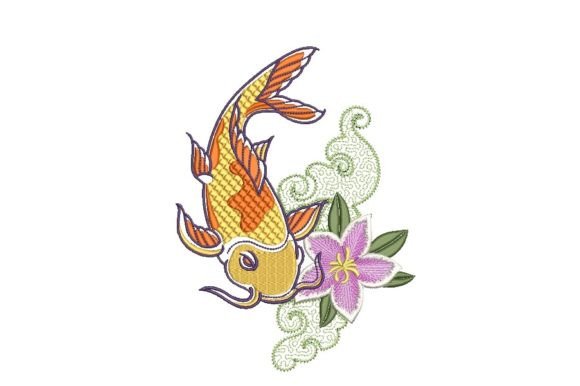
The Gold Fish design is, above all, adorable. It’s not a realistic koi or a scientific illustration—it leans into a whimsical, almost storybook style. The body looks plump and friendly, the tail curves with a sense of motion, and the facial expression (if you can call it that) is impossibly cute. From a designer’s perspective, this mood is a huge asset. It means the embroidery file will slot naturally into projects aimed at children, pet lovers, or anyone who appreciates lighthearted decor. The stitch personality appears to rely on smooth satin stitch outlines and dense fill stitch areas that give the fish a slightly dimensional, glossy feel—exactly what you’d want for a goldfish. I couldn’t wait to see how it would perform on a real fabric swatch.
Detail level matters. Tiny elements like the eye, the delicate fin rays, and the subtle curves of the tail can make or break an embroidery design. In the preview, these details looked crisp, with no obvious overly dense spots that might cause thread breaks or puckering. That said, I always reserve judgment until I’ve run a test on scrap fabric. The Gold Fish design promises a decorative accent that can elevate everything from a plain sweatshirt to a linen apron, and the visual mood is consistent with the “Fish” category on Creative Fabrica—playful and approachable.
Where the Gold Fish Design Shines in Real Projects
I mentally auditioned this embroidery file for half a dozen product types I regularly sell. The results were encouraging. Because the Gold Fish is a standalone motif without a heavy background, it adapts well to both small and medium hoop sizes. Here’s how I see it performing across different handmade product categories.
Custom Apparel and Accessories
On a lightweight sweatshirt, the Gold Fish would make a charming chest logo or a slightly larger back accent. The stitch density looked moderate enough to avoid the dreaded “cardboard” feel on soft fleece, but I’d still use a no-show mesh stabilizer and test a sample. For tote bags, this design is a no-brainer. A single goldfish on a canvas tote, perhaps with a few water-ripple details added later, creates an instant best-seller for beach or aquarium gift shops. Caps can be trickier, but if the design fits a 4x4 hoop and the tail isn’t too tall, it could work on the front panel. I’d advise checking the exact dimensions on the Creative Fabrica product page before attempting a curved cap embroidery. Patches are another strong possibility—digitize it with a merrowed edge or simply stitch it on felt and cut it out for a custom embroidered patch.
Home Decor and Giftable Items
Kitchen towels and aprons are where this design truly shines. A goldfish motif on a flour-sack towel instantly adds a nostalgic, cozy vibe. I’ve had success with similar designs on pillow covers—just imagine a pair of goldfish swimming on a throw pillow for a reading nook. Baby blankets and nursery decor are also a natural fit. The Gold Fish is soft, friendly, and gender-neutral, making it ideal for personalized baby gifts. For Etsy sellers, listing a “custom embroidered goldfish baby blanket” could attract a steady stream of fish-loving parents. As a handmade gift, a single goldfish on a plush bath towel or a set of guest hand towels feels both thoughtful and affordable to produce.
Boutique Merchandise and Seasonal Products
I’ve learned that small, cheerful embroideries sell well at summer markets and beach-themed pop-ups. The Gold Fish could be stitched on sunglasses cases, cosmetic pouches, or even simple canvas shoes. For Christmas in July events or aquarium gift shops, it’s a versatile design asset. The key is that the design doesn’t demand a specific season—it’s timeless enough to be a year-round staple in your commercial embroidery catalog.
Practical Embroidery Considerations for Flawless Results
No matter how pretty a design looks, real-world stitching separates a reliable embroidery file from a frustrating one. I’ve broken down the main technical factors that anyone using the Gold Fish design should keep in mind.
Hoop Size and Placement
Always confirm the required hoop size before you download. The product page should list the exact dimensions. I’d guess this design fits comfortably in a 4x4 or 5x7 hoop, but if it’s larger, you’ll need a machine that can handle it. Small details like the eye and mouth might be tiny, so check if your machine can reproduce them cleanly. If you’re working with a smaller hoop, double-check that the design hasn’t been scaled down in a way that makes satin stitch segments too narrow or prone to thread breaks.
Fabric and Stabilizer Choices
I tested the Gold Fish concept on a medium-weight cotton and a stretchy knit. On wovens, a cutaway stabilizer provided a stable base, and the satin stitch areas looked plush. On stretchy fabrics, a fusible mesh or a no-show mesh stabilizer is a must—otherwise, the fish’s tail might distort after washing. For dark fabrics, I’d use a layer of white topping film to prevent the fabric color from peeking through the fill stitch. If you’re stitching on a towel or a plush blanket, a water-soluble topper will keep the loops from swallowing the fine details.
Thread Colors and Contrast
The name Gold Fish suggests warm oranges and golds, but you can absolutely get creative. I’d stick with a glossy rayon thread for the body to mimic that shimmery goldfish look, but a matte polyester thread would hold up better for items that get washed frequently. The eye and tiny fin details might be a single stitch or two; choose a thread color that contrasts enough to remain visible. Test on both light and dark fabric swatches—a design that looks stunning on white canvas might lose its eye on a navy sweatshirt if the thread color blends too much.
Stitch Density and Layered Details
From the preview, the fill stitch density seems balanced, but I always check for overly dense areas that can cause needle holes or puckering. The tail and fins might have long satin stitches; if they’re too long, they can snag. I’d recommend a light spray of temporary adhesive and a firm hooping to keep everything in place. If the design includes tiny lettering or a small copyright symbol, those could be tricky—unlikely for a fish motif, but if they exist, run a test first. For an applique design, the Gold Fish might be even faster to stitch, but I didn’t see any indication that this is an applique file; it appears to be a fully filled embroidery design.
How Gold Fish Can Elevate Your Handmade Products
When you add a well-stitched Gold Fish to a product, you’re not just decorating fabric—you’re adding value. Customers perceive machine embroidery as a premium finish, and a cute, recognizable motif like a goldfish triggers an emotional response. That emotional connection builds buyer trust and can justify a higher price point. I’ve seen simple embroidered towels sell for $18–$25 at craft fairs, while plain ones go for half that. The Gold Fish design fits perfectly into that handmade product narrative.
For Etsy listings, the design is photogenic. A bright orange goldfish pops against neutral backgrounds, making product photos scroll-stopping. Consistent use of the same high-quality embroidery file across your shop builds brand consistency—customers will recognize your style. If you sell digital embroidery files, a crisp preview of the stitched-out Gold Fish on a printable mockup can help other makers visualize the design on their own products. Just remember that licensing terms matter; before you sell finished items, check the Creative Fabrica product page for the specific commercial embroidery license. Some files require an extended license for mass production or digital resale.
Final Tips Before You Stitch Out Gold Fish
I never skip these steps, and I encourage every embroiderer to do the same:
- Test on scrap fabric first. Use the same fabric and stabilizer you plan to use for the final product. This reveals any hidden issues with stitch density or color blending.
- Review thread color assignments. The design may come with a color chart, but your thread brand’s shades can differ. Adjust as needed.
- Confirm hoop size and file format. Creative Fabrica typically offers multiple formats like PES, DST, and others. Make sure the file you download is compatible with your machine. The product page should list all included formats.
- Inspect small details after stitching. Look at the goldfish’s eye, the fin edges, and any layered stitches. If something looks off, check your thread tension and hooping.
- Check the license. Even if you’re using it for a single baby blanket or a batch of tote bags, verify the usage rights. Creative Fabrica’s embroidery licenses are usually straightforward, but it’s your responsibility to know what’s allowed.
The Gold Fish embroidery design is a delightful addition to any maker’s library. It’s cute, versatile, and built for projects that demand a friendly, handcrafted touch. Whether you’re stitching a one-off personalized gift, building a cohesive product line for your Etsy shop, or preparing for a busy craft fair season, this design can earn its place in your rotation. Just remember that the best embroidery outcomes come from testing, asking questions, and never assuming a file will behave perfectly on every fabric. Visit the Creative Fabrica product page, review the details, and if the Gold Fish matches your hoop and your vision, it’s absolutely worth the download.