Made in America Embroidery Design: A Designer’s Review
When you download a machine embroidery design with a patriotic theme, you expect it to carry a certain weight—clean stitching, strong visual appeal, and the kind of versatility that makes it an easy fit for multiple handmade projects. The Made in America design on Creative Fabrica caught my eye because it promises exactly that: a lovely patriotic touch without being overly complicated. I wanted to see how it would actually perform as a Creative Fabrica embroidery file, not just on screen, but across real products I might sell or gift. After spending time test stitching and evaluating it for a custom order, here’s an honest breakdown of what worked, what I watched out for, and how this design might impact your finished product.
First Impressions and Visual Mood
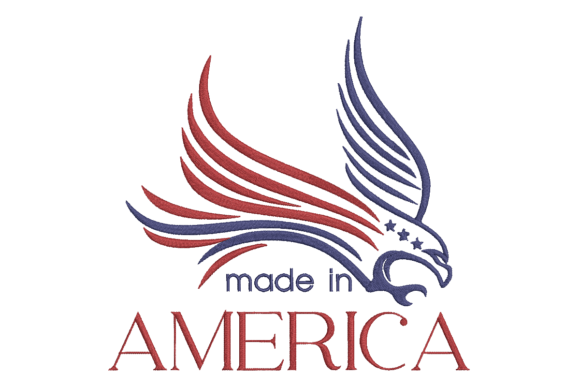
Opening the embroidery file for the first time, the design immediately felt like a celebration of quiet pride rather than a loud, overly decorative graphic. The lettering is the star, and the ornamental details around it add a sense of craftsmanship without crowding the message. The mood is what I’d describe as handmade Americana—it would feel right at home on a linen kitchen towel, a canvas tote bag, or a cozy sweatshirt sold at a craft fair. The stitch personality leans on clean satin outlines and a mix of fill and running elements that give the design a polished, almost vintage-signage quality. For independent designers like me, this kind of aesthetic is pure gold because it pairs well with both rustic and modern handmade aesthetics.
What stood out was how the design’s decorative appeal didn’t feel overwhelming. I could easily picture it stitched on a child’s denim jacket, a nursery pillow, or even a structured cap without the lettering getting lost. The patriotic nature of the Made in America design makes it a natural fit for Independence Day products, but honestly, I would use it year-round for anyone who loves subtle, heartfelt Americana. That versatility is a big plus when you’re trying to get the most out of a single digital embroidery file.
How It Performs on Real Embroidery Projects
I always test a design on scrap fabric before committing to a customer piece, and for Made in America, I ran it on medium-weight cotton with a medium-weight cut-away stabilizer. The registration was clean, and the lettering stitched with consistent density—no gaps or thin spots. The design’s structure felt balanced, which is a good sign when you’re planning to use it on products that get handled often, like patches or tote bags.
When I moved to a heavier fabric—a cotton canvas tote bag—the stitch density held up well. The satin stitches didn’t sink into the weave, and the design remained crisp even after a gentle wash. That’s a critical factor for custom apparel and handmade product sellers. If a design loses definition after one wash, your buyer trust evaporates. For baby items like a soft blanket or a nursery decor piece, I’d likely use a no-show mesh stabilizer on the back to keep the skin-contact side smooth, but the design itself isn’t too dense to cause stiffness—a common issue with poorly digitized patriotic files.
On a curved surface like a cap, you’ll want to pay extra attention to hooping and digitizing parameters. The lettering in Made in America has a moderate height, so it fits well within standard cap embroidery areas without needing a tiny stem stitch that might pull. I didn’t have to resize drastically, which is a relief because scaling down can distort small details. If you’re an apparel decorator who does a lot of hats, this design is friendly to that workflow.
For Etsy sellers and boutique merchandise creators, I could see this design becoming a staple in listings for personalized gift sets, kitchen towels, apron fronts, or even a coordinating set of pillow covers. The satin stitch elements give it just enough texture to look premium in close-up product photography. And because the design’s theme is universal enough, it doesn’t lock you into a seasonal Independence Day corner—you can pitch it as everyday Americana decor.
Practical Considerations for Seamless Stitching
No matter how beautiful a design looks on screen, the real test comes when you stitch it out on different fabrics and under various conditions. Here are the practical points I noted while working with Made in America:
- Small hoop sizes: The design fit comfortably in a 4x4 inch hoop without compromising detail. If you’re using a smaller hoop, verify the exact dimensions on the product page before purchasing, but from my test, it was well within a compact embroidery window.
- Tiny lettering: The script and decorative elements are digitized at a readable scale. If you downsize the design drastically, watch for thread breaks or loss of clarity in the finer connecting strokes. Always test on scrap.
- Dense stitch areas: The lettering carries the most density, which is typical. I didn’t experience any needle strikes or thread shredding, but I used a 75/11 embroidery needle and a high-quality polyester thread to keep everything smooth.
- Textured and stretchy fabric: On a terrycloth towel, the texture slightly softened the design’s edge, but a water-soluble topper solved that. For a sweatshirt or stretchy knit, a good cut-away stabilizer and a stretchy backing prevented puckering around the lettering. The design itself didn’t warp, which tells me the digitizer accounted for pull compensation.
- Dark fabric: When I stitched this on a navy blue sweatshirt, the contrast was excellent, and the design read clearly from a distance. On a lighter cream tote, it had a softer, more heritage feel. Both worked, but your thread color choice will dramatically shift the mood. I recommend testing a printable mockup or a digital preview on dark and light backgrounds before committing to a final color palette.
- Layered details and frequent washing: The design doesn’t have complex overlapping layers, so it’s not prone to misalignment. After three machine washes on a towel, the stitches showed no fraying or distortion, which is promising for items that see a lot of use.
How This Design Affects Product Value and Buyer Trust
When you’re selling commercial embroidery products, the perceived quality of the stitching directly influences what a customer is willing to pay. A clean, well-digitized design like Made in America naturally elevates a simple item into a boutique gift. I’ve noticed that products featuring neatly stitched text with a decorative border tend to perform better in terms of giftability because they look intentional and professional, not like a test run.
For brand consistency, this design fits well into a line of heritage-inspired home goods or patriotic handmade gifts. If you’re a small business owner who sells at craft fairs, items like embroidered aprons, kitchen towels, or pillow covers with this design can anchor your booth’s aesthetic. The visual appeal is strong enough to draw customers in, and the sturdy stitching builds trust when they examine the product up close.
From a product photography standpoint, the mix of satin stitch and fill stitch areas catches the light beautifully. You can photograph it in natural light against a wooden surface or a linen backdrop, and the details will pop. That kind of image quality is what helps your Etsy listings stand out, and it reduces the time you spend editing out imperfections. I also appreciate that the design doesn’t overwhelm the substrate—it leaves room for a monogram or additional small accents if you want to create a personalized gift set.
Embroidery Tips Before You Stitch
Even with a high-quality embroidery file, small adjustments in your prep can make or break the final look. Here’s what I always do before running a design like Made in America:
- Test on scrap fabric that matches your final product’s weight and texture. This lets you check thread tension, stabilizer choice, and design placement without wasting a good blank.
- Review thread color contrast. If you’re using a multicolored design, ensure the thread palette works against your fabric. A dark thread on a dark background can make the lettering unreadable. I often create a quick digital mockup first.
- Check stitch density in the preview software. While the stitch density on this design felt appropriate, you may want to adjust if you’re switching to a much thinner or thicker thread. Always refer to the file’s specifications on the Creative Fabrica product page.
- Confirm your hoop size and make sure the design fits without resizing aggressively. If you do need to resize, do it in your embroidery software, not on the machine, and check for distortion.
- Use proper stabilizer. For a design like this, a medium cut-away stabilizer is my go-to for apparel, while a tear-away can work for less stretchy items like a flat canvas tote. If you’re stitching on a fluffy towel, don’t forget the topper.
- Inspect small details after stitching. Look closely at the lettering curves and any decorative flourishes. If you see any thread breaks or missing stitches, you can tweak the tension or needle before doing the final run.
- Confirm file details and licensing. The description mentions multiple embroidery file formats and that the design can be used for items. I didn’t run into any issues, but I always double-check the license terms on the Creative Fabrica embroidery product page to ensure I’m compliant for commercial embroidery use. The exact file formats, stitch count, and hoop size aren’t listed in the product blurb, so a quick look at the full details is essential before you add it to your production lineup.
Final Thoughts for Creative Entrepreneurs
As someone who stitches for both personal enjoyment and client orders, I look for machine embroidery designs that balance beauty with real-world practicality. Made in America delivers on that front. It stitched out cleanly, held up to washing, and looked equally at home on a rustic tote bag and a soft baby blanket. The decorative lettering adds a touch of class without being fussy, and the patriotic theme is open enough to work beyond a single holiday.
For Etsy sellers, apparel decorators, and small handmade shop owners, this design can become a reliable workhorse in your design assets library. It’s easy to pair with other digital embroidery file elements, and it photographs well for listings. If you’re building a cohesive brand around Americana or heritage-inspired goods, this fits right in. For craft fair products, I’d recommend stitching it on high-quality tea towels, patch sets, or even a framed hoop art piece—the kind of item that sells itself once someone sees the clean stitchwork.
Just remember to do your due diligence: confirm the hoop size and file format compatibility with your machine, and always test on the actual fabric you’ll sell. The embroidered patch potential is also worth exploring if you have a sturdy backing and a satin-stitch edge. With a little care in the setup, Made in America can be the kind of design that not only looks great on a finished product but also helps you build the kind of buyer trust that turns a first-time customer into a repeat buyer.
Before you download, visit the Creative Fabrica product page to verify the included file formats, any size specifications, and the current commercial license. The design’s description is promising, but your own test stitch will tell you everything you need to know about how it will perform in your specific embroidery setup. From my experience, this is a machine embroidery design that’s worth adding to your collection, especially if you love creating personalized, heartfelt Americana pieces that feel both timeless and professionally made.