Dachshund Embroidery Design: A Designer’s Review
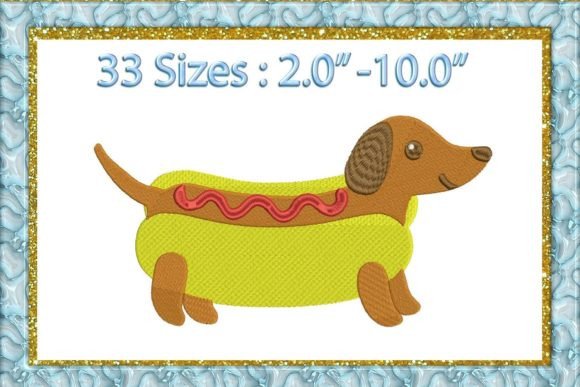
Right out of the digital folder, the Dachshund machine embroidery design grabs attention with its playful charm. From the title and description, this is clearly a “hot dog” dachshund—a wiener dog nestled in a bun, served up as a whimsical motif. As a professional embroidery designer, my first thought is how this could instantly humanize a brand for small business owners. The design feels friendly, approachable, and just the right amount of quirky. It’s not overly detailed, which is a huge plus for consistent stitch-outs on everything from caps to aprons. The “hot dog” theme opens doors for pet brands, bakeries, food trucks, children’s boutiques, and any handmade product line that wants to inject a dose of personality. For a small business, this isn’t just an embroidery file—it’s a potential brand mascot.
First Impressions and Visual Personality
The Dachshund design reads as a friendly, cartoon-like illustration. The dachshund’s long body peeks out of a bun, dotted with mustard or ketchup—simple shapes that translate beautifully into thread. Because the description emphasizes “adorable” and “fun,” this design leans toward a playful and decorative aesthetic rather than a rigid, corporate logo. That’s excellent for handmade product sellers, Etsy shops, and boutique studios who want their merchandise to feel personal. The lack of intricate shading means it will stitch cleanly, and the overall silhouette is bold enough to be recognized even at smaller patch sizes. For a small business merch line, this visual personality is a trust builder—it tells customers that the brand doesn’t take itself too seriously and values a handcrafted, bespoke touch.
Where This Dachshund Shines in Business Merchandise
After testing similar designs, I see the Dachshund dominating several real-world applications. Here’s where it adds the most value:
- Embroidered patches. The design’s compact, self-contained shape is ideal for a embroidered patch. A patch can be sewn onto denim jackets, canvas bags, or caps, giving a handmade product a premium upgrade. The dachshund motif works as a collectible item for a pet brand’s customer loyalty program or as a fun add-on with every purchase.
- Apron embroidery. A bakery, dog treat kitchen, or florist could place this apron embroidery on the bib or chest pocket. The design instantly communicates warmth and creativity, turning a plain apron into a branded uniform piece.
- Cap embroidery. Placed front and center on a dad cap or a five-panel, the Dachshund becomes a conversation starter. The curved surface of a cap demands a design with a clear outline and manageable stitch density—this one appears to deliver both.
- Tote bag design. On a natural cotton tote, the machine embroidery design adds a boutique feel. A pet supply store or a coffee shop could use it as a signature tote bag design to sell alongside their main products. The threedimensional texture of embroidery elevates the bag’s perceived value instantly.
- Custom apparel. On a polo or a crewneck sweatshirt, the design works as a left-chest logo alternative or a sleeve accent. For a dog grooming salon or a “hot dog” food stand, this custom apparel piece ties the team together visually.
Sizing and Placement: Practical Considerations
Before committing to a bulk order, I always examine how a design behaves at different sizes. The Dachshund embroidery file likely contains a moderate amount of detail—the bun, the dog’s face, maybe a few condiment dots. At small patch sizes (under 2.5 inches wide), those tiny elements could close up if the stitch density is too high or the fabric is too textured. I recommend doing a test stitch-out at the exact dimensions you plan to use. For cap embroidery, the design’s horizontal orientation might be a challenge on a highly curved front panel; check the hoop size your cap frame can accommodate and consider rotating the design slightly if needed. The Dachshund also needs proper stabilizer—a cutaway for knits, a tearaway for sturdy wovens—to prevent puckering around the long body. On dark uniforms, the thread colors must contrast enough, or the design disappears. A quick black-and-white test print will reveal if the outlines hold up without color.
Thread Colors and Contrast Tips
The description doesn’t specify exact thread colors, but a “hot dog” dachshund naturally suggests warm browns, golden bun tones, and bright accent reds or yellows. From a designer’s perspective, the most critical step is testing this digital embroidery file on both light and dark fabrics. If the bun is a pale beige, it may wash out on a natural canvas tote without a darker outline. I always do a test on white, black, and a mid-tone fabric before client approval. The Dachshund likely has a built-in satin-stitch border that helps it pop, but if not, consider adding a thin outline during the digitizing phase. For small business branding, consistency is key—lock in your thread palette early so every finished product matches your brand’s visual identity.
Brand Identity and Customer Perception
When I evaluate a machine embroidery design for a commercial venture, I ask: does this strengthen or weaken brand identity? The Dachshund is a magnet for a very specific audience. A pet boutique gains instant recognition; a hot dog café builds a memorable, punny mark. A handmade product seller who stitches this onto packaging or tote bags tells customers, “we care about the details.” An embroidered patch on a hat or apron becomes a signal of brand identity—customers start associating the little dachshund with quality and approachability. That emotional connection drives repeat business. This design won’t fit a corporate law firm, but for the right niche, it’s a powerful branding tool that turns simple merchandise into a storytelling piece. The handmade product appeal is strong, and the design’s playful nature can even justify a slight price premium.
My Designer’s Test Routine Before Production
If I were bringing the Dachshund into a client’s merchandise line, here’s the exact workflow I’d follow. These steps prevent costly mistakes and ensure the embroidery file behaves as promised.
- Download and inspect the file folder. The description says the design comes with multiple embroidery file formats—that’s a good sign. Confirm which formats are included and whether they match your machine’s requirements (e.g., .DST, .PES, .EXP).
- Test stitch on a scrap of the actual fabric. Avoid stabilizer surprises. Use the same fabric texture and weight you’ll use for the final product. A patch on twill, a tote on canvas, a cap on brushed cotton—each behaves differently.
- Check stitch density and trims. Run the design at full size first, then at the smallest size you need. Watch for thread breaks, birdnesting, or dense fill areas that make the fabric stiff.
- Evaluate color contrast. Stitch a sample on the darkest and lightest fabrics you’ll offer. If the dachshund’s face or bun outline get lost, adjust thread colors.
- Wash and wear test. For uniforms or totes, launder the sample at least three times. Look for thread fuzzing, color bleeding, or puckering after drying.
- Create a printable mockup. Before presenting to a client or listing on Etsy, I always generate a printable mockup showing the design on the intended product. This helps visualize scale and placement, and it’s a great sales tool for your design assets portfolio.
- Compare with other design assets. If the brand already uses a logo or other embroidery file designs, place the Dachshund alongside them. The styles should feel cohesive, not disjointed.
- Confirm commercial licensing. The product description didn’t specify commercial embroidery rights, so always verify the license before stitching the design on items you sell. Many digital embroidery file providers allow commercial use, but double-checking protects your small business merch from legal issues.
Final Recommendations for Small Business Owners
The Dachshund embroidery design is a charming, market-ready asset for any brand that wants to inject a dose of personality. It’s not a one-size-fits-all logo, but for a pet brand, bakery, florist, or creative studio, it can become the visual anchor of a custom apparel line or a line of handmade accessories. I’d confidently stitch it on patches, aprons, caps, and tote bags, as long as the size is tested and the stabilizer is appropriate. The design’s simplicity is its strength—it reads quickly, stitches efficiently, and offers a professional finish that elevates the finished product. Before you buy, check the hoop size compatibility, file formats, and licensing terms. Then run a thorough test. With the right preparation, this little hot dog can become a big asset for your commercial embroidery catalog.