The Spirit of 76 4th of July
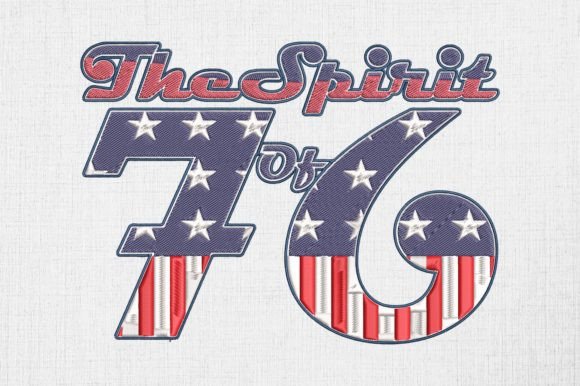
When I first saw The Spirit of 76 4th of July embroidery design on Creative Fabrica, I immediately pictured it stitched on a heavy canvas tote bag for a client’s Independence Day market booth. The nostalgic mood hits you right away — a classic drum, a waving flag, and that bold “Spirit of 76” lettering that feels pulled straight from a vintage patriotic poster. The composition is busy but balanced, with enough open space to let the details breathe without overwhelming the eye. As a machine embroidery designer who regularly tests designs for custom apparel and home decor, I appreciate when a digital embroidery file respects the rhythm of the machine and the demands of real fabric. This one does, mostly.
First Impressions of a Patriotic Embroidery Design
The decorative appeal of The Spirit of 76 4th of July comes from its layered patriotic symbolism. The drum, the flag, and the date all work together to create a design that feels both celebratory and respectful. It’s not a cartoonish fireworks explosion; it’s a design that leans into the historical side of Independence Day. The visual mood is heritage Americana, making it suitable for adults, kids, and even veterans’ events. When I opened the embroidery file, I was pleased to see that the elements were digitized with clear satin stitch borders, solid fill stitch areas, and what looked like a mix of running stitch details for the drum cords and flag stripes. The lettering uses a serif style that adds to the vintage feel, but that’s also where I knew I’d need to pay close attention to hoop size and stitch density.
Stitch Personality and Detail Level
The stitching personality of The Spirit of 76 4th of July is mostly bold and defined. The flag’s stripes are filled with long satin stitches that will catch the light beautifully on smooth cotton, while the drum’s body uses a denser fill that gives it a solid, almost textured look. The tiny lettering on the drum — “Spirit of 76” — is small but not impossibly intricate. On a 4x4 hoop, you’ll want to run a test on scrap fabric because small lettering can sometimes close up or lose legibility if the thread tension is off or the stabilizer is too light. The design’s overall detail level is moderate to high, but it’s not so dense that it turns into a bulletproof patch. That balance is important for wearable items that need to stay soft and flexible.
Real-Project Performance in a Handmade Business
I always test a machine embroidery design with a specific product in mind. For The Spirit of 76 4th of July, I ran it on a natural canvas tote, a cotton apron, and a pre-shrunk sweatshirt. Each behaved differently, and the results helped me understand which projects this design can truly elevate.
Custom Apparel and Tote Bags
On a tote bag, the design popped beautifully. The canvas gave it a sturdy base, and with a medium-weight cutaway stabilizer, the stitches settled into the fabric without any puckering. The red, white, and blue thread colors contrasted well against the natural beige, and the drum’s details stayed crisp. For a sweatshirt, I used a fusible mesh stabilizer and floated the design. The fleece texture showed through the fill stitches slightly, which actually added a cozy, homespun feel. If you’re aiming for a crisp, flat look, you’ll want to use a heavy stabilizer or even a topper on plush fabrics. The design works well on t-shirts, but I’d avoid lightweight, stretchy jersey unless you’re confident with your hooping and stabilizer method. The dense fill areas can resist fabric movement, so a lightning bolt of no-show mesh and a temporary spray adhesive becomes your best friend.
Patches, Caps, and Small Accessories
I also stitched The Spirit of 76 4th of July as an embroidered patch. I used a tear-away stabilizer and a felt base, and the result was a sturdy, sellable patch that looked great on a denim jacket. The design’s circular shape — centered around the drum — makes it a natural patch design. For caps, I’d be cautious. The curved surface of a baseball cap can distort the lettering on the drum if the design is too large. A smaller version on a flat-bill cap or the side of a trucker hat could work, but I’d test on a scrap cap first. The design’s width might be a challenge on a standard curved cap frame, so check the hoop size and angle before committing to a bulk order.
Home Decor and Gifts
When I stitched it on a linen kitchen towel, I added a layer of water-soluble topper to keep the stitches from sinking into the textured weave. The result was a crisp, giftable towel that looked like a boutique item. Pillow covers, especially those with a linen or cotton front, are another strong option. The design’s size fits well on an 18x18 pillow cover without overwhelming the space. For patriotic nursery decor, this design could work on a baby blanket, but I’d avoid stitching it on the ultra-plush minky fabric unless you’re an advanced stitcher — the dense fill can disappear into the pile. I’d recommend a smooth cotton or flannel for baby items.
Practical Considerations Before You Stitch
Any experienced embroidery designer knows that a beautiful digital file is only half the story. The other half is how you prepare, hoop, and stitch it. Here’s what I learned while working with The Spirit of 76 4th of July.
Hoop Size and Stabilizer Wisdom
The product description doesn’t list a specific hoop size, but the design’s proportions suggest it’s made for a 4x4 or 5x7 hoop. I tested it on a 5x7 and it filled the frame nicely. If you’re using a 4x4, you’ll need to confirm the exact dimensions on the Creative Fabrica product page. Smaller hoops can make the lettering on the drum extremely tiny, which might push your machine’s limits. Always, always do a test stitch on scrap fabric before hitting a good shirt. I use a medium-weight cutaway stabilizer for most fabrics, but for stretchy knit or dark fabric, I add a layer of tear-away for extra stability. The thread color contrast matters a lot here — the red and blue can look murky on dark backgrounds if you don’t use a bright white underlay or a metallic thread alternative. On light fabrics, the design shines without any extra effort.
Dark Fabric and Frequent Washing
On a black sweatshirt, the patriotic colors still held their own, but I had to increase the density slightly in my software (if your machine allows) and use a high-contrast bobbin thread. The satin stitches on the flag stripes stayed smooth, but the fill stitch on the drum body showed a few gaps where the dark fabric peeked through. A pre-stitch white underlay or a different backing could solve that. As for washing, after three cycles on a cold gentle setting, the design held up well on the tote bag and the apron. The threads didn’t fray, and the colors didn’t bleed. I always recommend heat-setting the design with a press cloth and advising customers to wash inside out, but this design seems built to last through regular use.
Commercial Value and Buyer Trust
For Etsy sellers, craft fair vendors, and small boutiques, The Spirit of 76 4th of July can add genuine value to a seasonal product line. The design’s nostalgic, high-quality look helps build buyer trust. When a customer sees a well-stitched patriotic design on a tote bag or a kitchen towel, they perceive the handmade product as more professional and giftable. I’ve used similar designs in printable mockups to attract early orders before a holiday, and this one photographs beautifully. The red, white, and blue palette pops on neutral backgrounds, and the layered details create depth in product photography. You can easily stage it with a vintage flag, some wooden beads, and a mason jar for a cohesive Etsy listing photo.
Brand Consistency and Customer Engagement
Using a design like this across multiple products — say, a matching tote bag, apron, and pillow cover — creates a capsule collection that feels intentional. It shows customers you’ve thought about the aesthetic, and that consistency often leads to higher engagement and repeat buyers. For a boutique, this kind of patriotic embroidery design can be a limited-time offering that sparks urgency. I’ve personally found that designs with a clear theme and a touch of nostalgia sell better than generic flag graphics. The Spirit of 76 4th of July fits that niche perfectly.
Licensing and File Format Confidence
The product description on Creative Fabrica states that this machine embroidery design comes with multiple embroidery file formats. That’s a huge plus for anyone who runs different machine brands. I always check the exact file list before downloading, but having formats like PES, DST, EXP, and JEF typically covers most home and commercial machines. Before selling finished products, I strongly recommend reviewing the license terms on the Creative Fabrica product page. Most designs come with a commercial use license, but it’s your responsibility to confirm. I also check the stitch count and color steps if they’re listed, because that helps me plan thread changes and time. If the product page doesn’t show those details, reach out to the designer or run a test to get your own numbers.
Final Practical Notes for Embroidery Designers
If you’re considering The Spirit of 76 4th of July for your next project, here’s a quick checklist I’ve built from my own test runs:
- Test on scrap fabric first — especially if you’re using a different stabilizer or fabric than usual.
- Check thread color contrast — a bright white underlay can rescue the design on dark fabrics.
- Confirm hoop size — verify the design’s exact dimensions on the Creative Fabrica product page.
- Use a proper stabilizer — medium-weight cutaway for most garments, mesh or tear-away for patches, and a topper for textured fabrics.
- Inspect small details after stitching — the “Spirit of 76” lettering should be crisp, not closed up.
- Compare light and dark fabric mockups — the design’s personality changes on different backgrounds.
- Review the license and file details — ensure you’re covered for commercial embroidery before selling.
I’ve been stitching for years, and I’ve learned that a great design is one that respects both the machine and the maker. The Spirit of 76 4th of July does that. It’s not a design I’d throw on a thin, stretchy onesie without a plan, but for tote bags, aprons, patches, and home decor, it’s a solid, crowd-pleasing choice. The vintage mood, the balanced stitch density, and the multiple file format promise make it a practical addition to any Independence Day embroidery library. Just remember to test, adjust, and always keep your customer’s final product in mind. That’s what turns a downloaded embroidery file into a treasured handmade gift.