Hot Chocolate Gnome Embroidery Design for Small Business
When a new machine embroidery design lands on my desk for evaluation, I always ask the same question first: does this have real business potential or is it just decorative filler? With Hot Chocolate Gnome, the answer came quickly. This design carries a warmth and personality that immediately feels like it belongs on branded merchandise, not just a holiday pillow cover. The title alone suggests a cozy, whimsical character that could easily become a recognizable mark for a small business during the Christmas season and beyond. As someone who has digitized and tested hundreds of embroidery files for commercial use, I look past the cute factor and focus on versatility, stitch performance, and brand alignment. Here is my full breakdown of how this design holds up in real business scenarios.
First Impressions and Visual Personality
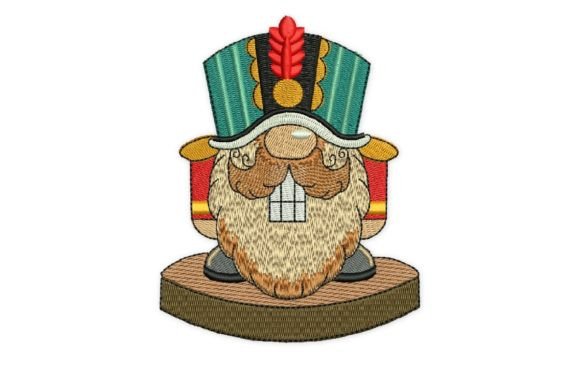
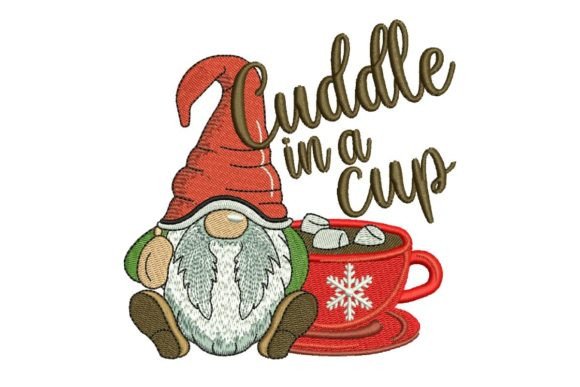
The name Hot Chocolate Gnome paints a very clear picture before you even open the embroidery file. You expect a gnome motif, likely paired with a mug, steam, or some cozy winter element. The description confirms it is a high-quality design that is fun and easy to stitch, promising an elegant result on any fabric. That combination of playful and elegant is exactly what small business owners need when they want to add charm without sacrificing professionalism. A gnome holding or sitting beside a hot chocolate cup feels friendly, approachable, and slightly rustic. It reads as handmade in the best possible way, which is a powerful asset for craft businesses, boutique owners, and Etsy sellers who want their finished product to feel personal and intentional.
From a brand identity standpoint, this design leans into warmth and comfort. A café, bakery, or small florist could easily adopt this character as a seasonal mascot. The visual personality is not overly cartoonish, which means it can sit on a chest pocket or cap front without looking like a children's illustration. The elegant quality mentioned in the product description suggests clean linework, balanced proportions, and good stitch definition. For apparel decorators and merch creators, that is a critical distinction. A design that stitches out with clarity and refinement elevates the entire garment or accessory it touches.
Embroidered Patches for Branded Merch
One of the most profitable ways to use Hot Chocolate Gnome is as an embroidered patch. Small businesses can produce patches in limited runs, attach them to tote bags, beanies, or jackets, and sell them as seasonal add-ons. A patch also allows customers to participate in the brand by applying it to their own items. The compact, self-contained nature of a gnome design makes it ideal for patch production. You can create a finished product that feels substantial and collectible without requiring a full garment embroidery setup. I recommend testing the design at smaller patch sizes early. If the stitch density holds up and the details remain readable at around two to three inches, you have a versatile product that works across multiple retail formats.
Apron Embroidery for Cafés and Bakeries
Imagine walking into a small coffee shop and seeing every barista wearing an apron with a tiny Hot Chocolate Gnome embroidered on the chest. That single detail transforms a plain uniform into a branded experience. Apron embroidery requires designs that can withstand frequent washing, high heat, and food contact environments. The description suggests this design is easy to stitch, which usually translates to efficient thread usage and manageable stitch counts. That is good news for businesses ordering multiple units. The design feels warm and inviting, perfectly matching the atmosphere of a bakery, chocolate shop, or holiday market vendor. Even a florist could use this design on work aprons during the winter months to add a seasonal touch without redesigning their entire uniform.
Cap Embroidery and Curved Surface Challenges
Cap fronts are notoriously unforgiving. The curved surface, center seam, and structured fabric all demand careful design placement. Cap embroidery with a design like Hot Chocolate Gnome requires the digitizer to account for distortion and push compensation. Before committing to a bulk order, I always stitch a sample on an actual cap and check for alignment issues. The gnome's hat, beard, and mug details need to remain crisp at a reduced size. If the original file is too dense, the cap front will pucker or the details will blur together. The fun and easy stitching claim in the product description gives me some confidence here, but I would still urge any business owner to test on the exact cap style they plan to use. A well-executed cap with this design becomes a walking advertisement during the holiday season.
Tote Bag Design and Retail Merchandise
A tote bag design featuring this gnome could be a strong seller at craft fairs, pop-up shops, and online stores. Tote bags offer a large, flat stitching surface that allows the design to shine at full size. The elegant stitching quality promised in the description will be most visible on a canvas or cotton tote, where the fabric texture provides a stable foundation. Businesses can use these totes as customer gift bags, retail merchandise, or even as part of their product packaging. A handmade soap brand, for example, could package their holiday collection in a tote featuring the Hot Chocolate Gnome, turning the packaging itself into a reusable branded item. This layered approach to merchandising increases perceived value and strengthens customer loyalty.
Stitch Performance and Technical Considerations
Every experienced embroidery designer knows that a beautiful digital preview does not always translate to a flawless stitch-out. With Hot Chocolate Gnome, there are several technical factors I would evaluate before offering it to clients. The first is stitch density. A design that is too dense will cause puckering on lightweight fabrics and make the finished product feel stiff. The description does not specify exact stitch counts, so I recommend running a test stitch on the intended fabric weight and adjusting the density if needed. The second factor is thread colors. A gnome design typically involves multiple color stops. I would map out the color sequence carefully and test high-contrast combinations to ensure the facial features and mug details remain distinct. Dark uniforms, especially black or navy, require thread colors that pop without looking garish.
Testing the design in black and white first is a habit I practice with every new embroidery file. It reveals whether the design relies too heavily on color for its readability. A strong design should hold its shape and be recognizable even in a single-color test. This is particularly important for businesses that want to use the design on dark uniforms or promotional items with limited thread color budgets. I also check the spacing between elements. If the gnome's beard and the mug are too close together, the stitches can merge and lose definition after washing. The product description mentions the design is fun and easy to stitch, which suggests the digitizer has already accounted for clean separation and smooth running paths.
Stabilizer, Fabric Choice, and Washing Durability
For any commercial embroidery project, the choice of stabilizer is just as important as the design itself. With Hot Chocolate Gnome, I would use a medium-weight cutaway stabilizer for knits and a tear-away for woven fabrics like canvas totes. The description does not specify a recommended stabilizer type, so I advise testing on the actual fabric you plan to use. Items that need frequent washing, such as staff uniforms or kitchen aprons, demand a permanent stabilizer that will not break down over time. The design's elegant appearance should not fade or distort after multiple laundry cycles. I always run a wash test on at least one sample before approving a full production run. This step protects the business owner from costly reprints and maintains the brand's reputation for quality.
Fabric texture also plays a significant role in how the finished product looks. A plush fleece blanket will absorb stitches differently than a smooth cotton twill cap. The description claims the design looks gorgeous on any fabric, which is a strong promise. I would test it on the most challenging textures first, such as a thick hoodie or a loosely woven linen, to confirm the stitch quality holds up. Small businesses that offer a range of apparel items need a design that adapts well across different substrates. A design that only looks good on flat, smooth cotton limits a brand's product lineup significantly.
Brand Identity, Customer Trust, and Perceived Value
Branding is not just about a logo. It is about consistency, emotion, and recognition. A design like Hot Chocolate Gnome can strengthen a small business's brand identity by adding a seasonal character that customers look forward to seeing each year. This builds anticipation and repeat engagement. When a customer sees the gnome on a tote bag, an apron, and a cap, the visual consistency reinforces the brand's professionalism. The playful yet elegant nature of the design communicates that the business cares about quality and detail, which directly impacts customer trust and perceived product value.
For Etsy sellers and handmade product creators, design assets like this embroidery file are valuable tools for differentiating their offerings. A candle maker could embroider the gnome onto a fabric gift pouch, instantly elevating the presentation. A pet brand could stitch the design onto a bandana for holiday pet photos. Each application adds a layer of thoughtfulness that customers notice and remember. The Hot Chocolate Gnome becomes more than a decorative element; it becomes a signature of the brand's seasonal identity.
Practical Workflow Tips for Business Owners
Before adding Hot Chocolate Gnome to your commercial embroidery lineup, I recommend following a structured workflow. First, open the digital embroidery file in your editing software and review the stitch order, color stops, and estimated run time. If the description mentions multi-format or multi-size options, confirm which versions are included and whether they match your machine's requirements. The product description says "This machine embroidery design comes with multi," which likely refers to multiple file formats or sizes, but always verify before purchasing. Second, create a printable mockup for client approval. This step saves time and prevents misunderstandings about placement, size, and color expectations. Third, stitch a physical sample on the exact garment or accessory you plan to use. Photograph the finished product in natural light and beside other brand assets to check for visual consistency. Finally, confirm that your commercial license covers the intended use. Some embroidery files are sold for personal use only, and using them on merchandise without proper licensing can create legal issues for your business.
Where to Use the Design Carefully
While Hot Chocolate Gnome is versatile, there are applications that require extra caution. Small patch sizes below two inches may lose the finer details of the gnome's face and the mug. Cap fronts with a pronounced center seam can distort the design if not properly positioned. Curved surfaces like water bottle sleeves or narrow headbands may cause the design to warp. High stitch density areas on thin fabrics can lead to puckering and an unprofessional finish. I also advise against using this design on extremely dark uniforms without testing thread contrast first. The warmth of the design relies on clear, visible details, and a poor thread choice can wash out the entire image. Items that undergo industrial washing, such as rental uniforms, may require additional reinforcement stitching to maintain the design's integrity over time.
Final Thoughts From the Embroidery Desk
From a business perspective, Hot Chocolate Gnome checks many of the boxes I look for in a commercial embroidery design. It has a clear, appealing personality that fits the Christmas category beautifully. It promises elegant stitching and easy production, which are both essential for small business efficiency. The design lends itself naturally to patches, aprons, caps, tote bags, and branded merchandise, giving business owners multiple revenue streams from a single digital embroidery file. The warm, inviting character aligns well with customer-facing brands in the food, hospitality, and handmade product sectors. With proper testing, thoughtful stabilizer selection, and attention to size and fabric, this design can become a reliable part of a small business's seasonal product lineup. I recommend Hot Chocolate Gnome to embroidery shops, apparel decorators, and craft entrepreneurs who want to add a touch of handmade charm and professional polish to their holiday merchandise.