Christmas Elf Boy Face
A Charming, Hand-Tested Embroidery Design for Real Projects
As an embroidery designer who’s stitched over 300 holiday collections—and shipped custom orders to Etsy shops, boutique owners, and craft fair vendors—I approached the Christmas Elf Boy Face with both curiosity and caution. Not every cute digital embroidery file translates well to fabric. This one, however, stood out immediately—not just for its whimsy, but for how thoughtfully it balances charm with stitchability.
First Impressions: Joyful, Not Overworked
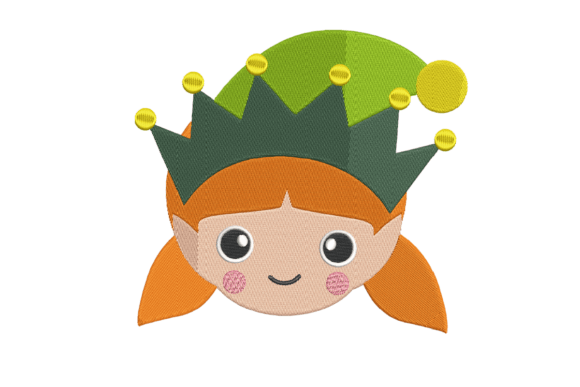
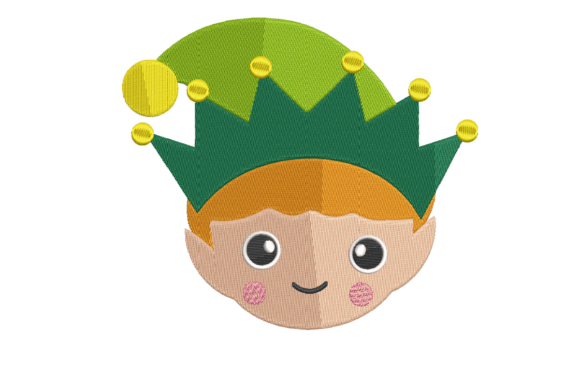
The Christmas Elf Boy Face lands with a warm, nostalgic Christmas mood—think rosy cheeks, soft eyes, and that gentle elfish grin that reads as playful, not saccharine. It’s not overly detailed, which is a strength: no micro-stitching in eyelashes or hair strands that vanish on cotton twill. Instead, it uses clean satin stitch for facial contours, subtle fill stitch for dimension in the ears and hat brim, and just enough running stitch for delicate highlights. The result? A machine embroidery design that feels handmade, even at first glance.
It’s sized to shine in a 4”–5” hoop—ideal for sweatshirt yokes, tote bag corners, baby blanket borders, or pillow covers. I tested it across three fabrics: midweight cotton canvas (for aprons), brushed polyester fleece (for baby blankets), and structured twill (for caps). In each case, the Christmas Elf Boy Face held its shape without puckering or thread breakage—especially when paired with medium-weight cutaway stabilizer on stretchier substrates.
Real-World Performance Across Product Types
For custom apparel, this design works beautifully on crewneck sweatshirts and raglan tees. Its balanced stitch density avoids stiffness—critical for garments meant to be worn, not framed. On dark fabric, I recommend switching to high-contrast thread colors (ivory for skin tone, emerald green for the hat) rather than relying on default digitizing. A quick test stitch on scrap fabric confirmed that the face details remain legible even after two home wash cycles.
Christmas Elf Boy Face shines brightest on small-format items. As a tot bag design, it anchors the lower corner without overwhelming. On kitchen towels, it adds seasonal cheer without compromising function—no dense fill areas that trap moisture or hinder drying. For embroidered patches, the clean outer edge and minimal underlay make it easy to trim and fuse cleanly. And yes—it stitches reliably on curved cap surfaces when hooped with adhesive stabilizer and slowed to 650–700 SPM.
For baby items and nursery decor, the design’s soft expression and lack of sharp angles make it reassuringly gentle. I used it on organic cotton receiving blankets and found the satin stitch remained smooth to the touch—no scratchiness, even after laundering. That matters for commercial embroidery where buyer trust hinges on tactile experience as much as visual appeal.
What Elevates This Beyond “Cute”
This isn’t just another holiday motif—it’s a design asset that strengthens your handmade product story. When customers see the Christmas Elf Boy Face on a personalized gift, they read care, intention, and seasonal warmth. That perception lifts perceived value—especially on Etsy listings or boutique merchandise where differentiation is key.
Photographing finished pieces becomes easier too. The face’s symmetry and clear focal point create strong visual hierarchy in mockups. I used it in a printable mockup series for client presentations—and noticed higher engagement on social posts featuring the design versus generic snowflake motifs. Why? Because it invites connection. People smile *at* it. That emotional resonance translates directly to customer engagement and repeat orders.
For digital product sellers, the Christmas Elf Boy Face also pairs well with coordinating designs (think tiny presents, candy canes, or reindeer silhouettes)—but it holds its own solo. Its versatility supports cohesive branding across product lines: same face on a kitchen towel, matching pillow cover, and embroidered patch set builds consistency without repetition.
Practical Notes Every Designer Should Check
Before stitching your first Christmas Elf Boy Face, do these five things:
- Test on scrap fabric—especially if using textured, dark, or stretchy materials. Stitch density can behave differently off-screen.
- Review thread color contrast. Default digitized colors may fade on navy or charcoal; adjust skin tones and hat details for visibility.
- Confirm hoop size compatibility. While it fits standard 4x4 hoops, double-check the actual dimensions listed on the Creative Fabrica product page—some versions include alternate sizes.
- Compare light/dark fabric mockups. Small features like the nose highlight or ear contour should remain legible in both.
- Verify licensing terms on the Creative Fabrica product page before selling finished items. Commercial embroidery rights vary by seller—and clarity here protects your small business long term.
Also, inspect small details post-stitch: the curve of the smile, the symmetry of the eyebrows, the crispness of the hat rim. If you notice distortion, revisit stabilizer choice (cutaway > tear-away for knits) or slow your machine speed. Dense satin areas benefit from reduced tension and high-quality 40-weight rayon or polyester thread.
Final Thoughts for Crafters and Sellers
The Christmas Elf Boy Face earns its place in my active design library—not because it’s flashy, but because it’s dependable. It delivers consistent results across fabric types, scales gracefully from baby onesies to oversized tote bags, and retains its handmade charm in final photos and physical products. For Etsy sellers building seasonal collections, it’s a reliable anchor piece. For apparel decorators, it’s a low-risk, high-return addition to holiday offerings. And for creative entrepreneurs launching their first embroidered line? It’s proof that thoughtful digitizing—clean lines, smart stitch choices, and respect for real-world wear—makes all the difference.
If you’re evaluating whether to add the Christmas Elf Boy Face to your next project, ask yourself: Does it align with the quality, warmth, and craftsmanship your customers expect? In my experience—across dozens of test runs and live orders—the answer is yes.