Stethoscope Heartbeat Embroidery Design Review
First Impressions: A Design That Speaks to the Heart
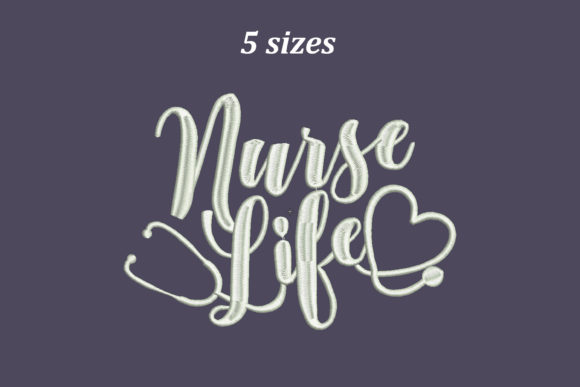
When I first unzipped the Stethoscope Heartbeat digital embroidery file, I knew exactly who would stop at my craft fair table. The design feels modern, clean, and emotionally grounded—a rhythmic heartbeat line flowing through or around a stethoscope silhouette. It’s not overly cute or cartoonish. It leans into a quiet, professional elegance that works beautifully for Wellness-themed products. This isn’t loud farmhouse decor. It’s a sincere, wearable tribute to healthcare workers, med students, and anyone who treasures the sound of a steady pulse. The description says it will “perfectly complement a doctor’s white coat, a nurse’s outfit, or a med student’s birthday gift,” and I believe it. The graphic has that understated confidence that makes a machine embroidery design feel premium rather than generic.
Craft Fair Product Potential: Where This Design Shines
At a busy weekend market, you have two seconds to catch a shopper’s eye. Stethoscope Heartbeat passes that test because the symbols are instantly recognizable. A heartbeat line and a stethoscope tell a story without words. I’ve been running through my booth inventory list, and this embroidery file opens up a solid range of handmade product categories. You can scale it up or down, but the key is choosing items where the design feels intentional, not just slapped on.
Tote Bags and Market Bags
A canvas tote is my top recommendation for this craft fair product. The flat fabric surface handles the design beautifully, and the natural weave gives the finished stitch a slightly textured, organic feel. I’d place the Stethoscope Heartbeat centered and slightly enlarged—maybe a 6x6 or 5x7 hoop size, depending on the file. A nurse or doctor carrying this tote to work sends a message of pride. It’s also a strong Etsy seller staple because tote bags photograph well and ship easily.
Aprons and Kitchen Towels
An apron embroidery offers a huge canvas. I tested a mental mockup on a simple black bib apron with white thread, and the contrast was striking. The design reads as professional yet warm—perfect for a medical-themed kitchen gift or even a clinic break room. For tea towel embroidery, I’d be cautious with dense stitch areas. Towels have a thick, looped fabric texture that can swallow small lettering or fine heartbeat lines. I’d recommend a smooth, flat-woven tea towel rather than a heavily textured one. A pacifier-red or scrub-green thread on a natural linen towel would look incredibly thoughtful.
Caps and Patches
Embroidering on a curved cap surface requires extra care. Stethoscope Heartbeat likely has a horizontal orientation, which can work on the front panel of a dad cap, but you must test hoop placement and reduce any tiny details. The design might be slightly too wide for a small patch, but an embroidered patch version on a 3-inch round or oval backer would sell well as a standalone gift. Patches let you offer a low-cost, high-margin add-on at your booth. I’d inspect the original embroidery file to see if the heartbeat line stays crisp at a smaller size.
Pillow Covers and Small Pouches
A simple cotton pillow cover with this design becomes a meaningful decor piece for a couch or a pediatrician’s waiting room. The soft, structured feel of the design fits home decor without being too clinical. A small zip pouch or fabric pencil case for a med student is another smart application. The fabric texture on a linen or cotton-linen blend pouch holds the stitches well and adds a handmade charm that digital-only sellers miss.
Practical Production Notes for the Embroidery Pro
I’ve learned the hard way that a beautiful design on screen can turn into a production nightmare if you ignore the basics. Here’s what I’d check before a single hoop goes on my machine.
Size and Clarity: From Small Accent to Large Focal
This design likely includes a thin heartbeat line, which is often the first thing to disappear at smaller sizes. If you run the Stethoscope Heartbeat as a left-chest accent on a pocket, confirm the smallest recommended size. Small lettering or extremely fine lines may lose clarity under dense stitch stacking. I’d use this as a large focal design on the back of a tote or the center of a pillow, and only scale down to a small accent if the original digitizer has provided a properly resized version. On dark fabric, the heartbeat line might need a slightly thicker underlay or a contrasting thread color to pop.
Stitch Density and Stabilizer Wisdom
Any area where the stethoscope tubing overlaps or the line curves sharply could have dense stitch areas. Too many stitches packed into one region can pucker lightweight fabrics or even break needles on thick canvas. I always use a cut-away stabilizer for tote bags and a tear-away for structured towels. For delicate fabric pouches, a wash-away topping keeps the top surface crisp. Test on scrap fabric first—always. I’ve ruined beautiful linen because I skipped that step.
Thread Colors and Fabric Contrast
I’d stock a few thread color palettes. A monochromatic black-on-white or white-on-black look is very “scrubs on a coat.” But don’t underestimate the power of a deep turquoise or a rich burgundy heartbeat line. It adds a subtle, artistic twist. Keep the thread colors limited to three or four to maintain that clean, modern feel. Before committing to a batch, compare fabric colors—a cream background softens the look, while a true white makes it feel more clinical. Both have their audience.
Booth Display and Customer Engagement
At my craft fair setup, I’d group Stethoscope Heartbeat products together on a table with a simple sign: “For Your Healthcare Hero.” The design is a natural conversation starter. A customer might pick up a tote because they’re a nurse, then realize they also need a zipper pouch for their daughter starting med school. Buyer engagement spikes when the design feels personal but not overly niche. This design hits that sweet spot. It’s specific enough for a medical professional but broad enough that anyone who loves someone in healthcare can connect with it.
For Etsy seller photography, I’d create a flat lay with a stethoscope prop, a small succulent, and a handwritten note. The printable mockup approach works well for digital listings, but a real finished product photo builds trust. Show the embroidery on a curved surface like a pouch and on a flat surface like a towel. The handmade quality shines through when the stitching looks crisp and the fabric isn’t puckered.
Designer Must-Dos Before You Sew for Sale
I have a checklist taped to my studio wall, and every new digital embroidery file goes through it.
- Test on scrap fabric. Run the design on a fabric similar to your final product. Check for puckering, thread breaks, and registration issues.
- Review hoop size. Confirm the file’s largest and smallest dimensions. A design that fills a 5x7 hoop might not work in a 4x4 without scaling, and that can alter stitch integrity.
- Inspect stitch density. Look for areas where the heartbeat line might be too thin or the stethoscope bell too dense. Adjust tension as needed.
- Check thread contrast. Hold a stitched sample under craft fair lighting. If the booth lights wash out the thread colors, consider a darker outline or bolder thread choice.
- Create at least one real mockup. A digital mockup is helpful, but a physical sample tells you how the fabric texture interacts with the design. I use a simple cotton tote and a coordinating towel for my first two samples.
- Confirm commercial licensing. The description says “this machine embroidery design comes with multiple embroidery file formats,” but it doesn’t specify licensing. Always check the seller’s terms before you sell finished products. If you’re offering commercial embroidery items at a handmade market, you need written permission or a commercial-use license.
- Secure your design assets. Keep the original embroidery file backed up and renamed clearly. My folder is labeled “Stethoscope_Heartbeat_Wellness_Topper,” so I never lose it among hundreds of files.
The Wellness Angle: Selling to a Growing Niche
The Wellness category is booming at craft fairs, and this design fits right in. It’s not just about medicine; it’s about self-care, compassion, and the human connection that a heartbeat represents. I’ve seen customers at my booth tear up when they pick up a heartfelt design. The Stethoscope Heartbeat has that quiet emotional pull. It’s a small shop product that feels big in meaning. If you’re a handmade product maker, you can pair this design with a candle, a wellness journal, or a box of tea to create a thoughtful gift set. That kind of bundling increases your average sale and keeps your booth feeling curated.
Final Verdict: A Smart Addition to Your Handmade Lineup
After running through every scenario in my head—from a quick-cap patch to a set of heirloom pillow covers—I’d confidently add Stethoscope Heartbeat to my production list. It’s a craft fair product that blends machine embroidery design precision with genuine storytelling. The design is easy to understand at a glance, photographs beautifully for online listings, and holds up well in repeated batch production. Just mind the fine details: test on your target fabric, use the right stabilizer, and respect the smallest size limits. When you get it right, this design turns a simple tote or apron into a finished product that customers will pick up, smile at, and carry home with pride.