Juneteenth Free-ish Since 1865: Embroidery Design Review
As an experienced embroidery designer, I’ve stitched out thousands of digital files for small businesses, and occasionally a design comes along that immediately sparks a dozen merchandising ideas. Juneteenth Free-ish Since 1865 is exactly that kind of machine embroidery design. It isn’t just a decorative motif—it’s a conversation piece, a branding asset, and a statement rolled into one. In this review, I’ll walk you through how this design performs in real business use, from embroidered patches and staff uniforms to tote bags and boutique product labels. I’ll also share the practical checks every commercial embroiderer should run before production.
First Impressions: Bold, Playful, and Undeniably Purposeful
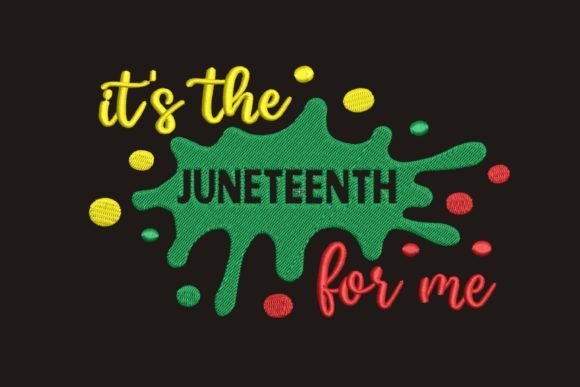
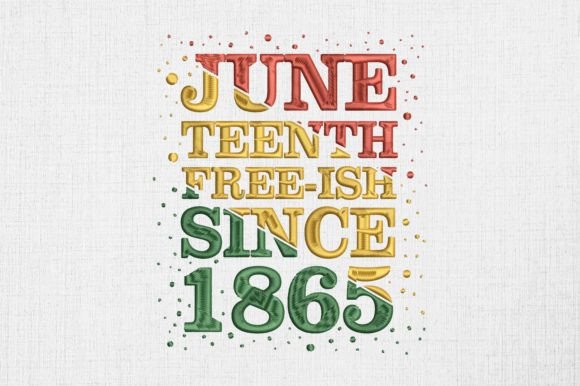
The phrase “Free-ish Since 1865” hits you with a mix of historical weight and modern wit. From a design personality standpoint, it feels friendly yet unapologetic—a blend of rustic charm and contemporary edge that makes it incredibly versatile. The typography likely leans toward a hand-drawn or vintage lettering style (you’ll want to open the actual embroidery file to confirm), but the concept alone is strong enough to anchor a brand’s visual identity. I could immediately picture this on a café apron, a boutique tote bag, or a custom patch for a handmade shop’s product packaging. It’s the kind of design that invites questions, and that’s gold for small business owners who want to build deeper customer connections.
Because the product description mentions it “will beautifully complement t-shirts, dresses, scarves, and home decor,” you already know the digitizer had a broad canvas in mind. For apparel decorators, that means the design is likely digitized to stitch out cleanly on both flat and slightly textured surfaces—a promising starting point for branded merchandise.
Embroidered Patches for Small Business Merch
One of the most practical uses for this design is as an embroidered patch. Small businesses—from bakeries to pet brands—can create limited-edition patches for Juneteenth collections, stitching them onto jackets, caps, or even custom notebooks. The patch format lets you sell the design as a standalone product (think Etsy sellers) or include it as a loyalty gift with purchase. When testing this as a patch, I’d immediately check the stitch density around the lettering. If the font is too detailed, small letters like the hyphen and apostrophe in “Free-ish” could close up, so you’ll want a file that’s been digitized with patch-specific underlay in mind. A well-executed patch elevates your brand’s perceived value and transforms a simple accessory into a keepsake.
Staff Uniforms and Aprons: A Conversation Starter
For a coffee shop, florist, or boutique, embroidery on uniforms is a subtle but powerful branding tool. Imagine your team wearing aprons with Juneteenth Free-ish Since 1865 embroidered on the chest. It’s not just a logo; it’s an invitation for customers to ask questions, which builds loyalty and trust. I’ve advised many clients to use this design on the left chest of work shirts or on apron bibs. Keep the size around 3 to 4 inches wide so it remains readable without overwhelming the garment. The message instantly signals that your business values representation and history, attracting a more engaged customer base.
Caps, Tote Bags, and Event Merch
Caps and tote bags are prime real estate for this design. A curved cap front can be challenging with text-heavy designs, so you’ll need to test the file’s placement and hoop compatibility. On a flat tote bag, however, the design can sit beautifully as a centerpiece or a small accent mark. For event merchandise—like a Juneteenth festival or a pop-up shop—stitching Juneteenth Free-ish Since 1865 on totes and hats turns attendees into walking billboards. I always recommend creating a mockup first, especially for items with textured fabric like canvas totes, to ensure the stitch definition stays crisp and the lettering doesn’t distort.
Boutique Product Labels and Packaging Accents
Handmade brands can use this embroidery file to create branded tags or small patches sewn onto product packaging. For example, a candle maker could stitch a tiny version onto a ribbon for their jars, or a florist might attach an embroidered tag to a bouquet wrap. This unexpected detail adds a premium, handmade touch that customers notice. Since the design likely comes with multiple embroidery file formats, you can scale it down for these smaller applications, but I’d recommend staying above 1.5 inches in height to keep the lettering sharp and legible.
Where to Use Caution: Size, Lettering, and Fabric Challenges
No design is perfect for every situation, and Juneteenth Free-ish Since 1865 has some inherent challenges. First, the phrase includes the word “Free-ish,” which has a hyphen and an apostrophe—these tiny details can become lost if the design is stitched too small. Always test at the intended patch size on the same fabric you’ll use in production. Second, if you’re using this on dark uniforms, make sure the thread colors contrast well; a light thread on a dark background typically works, but test the chosen thread colors under different lighting. Third, curved surfaces like cap fronts may distort the lettering if the design isn’t digitized for that specific arc. Ask your digitizer to adjust the underlay or use a cap-specific hoop. Finally, frequent washing on work uniforms can wear down the stitching over time, so use a quality stabilizer and consider a poly thread for durability.
Brand Identity and Customer Trust: More Than Just a Decoration
When you stitch Juneteenth Free-ish Since 1865 onto a product, you’re not just adding a design—you’re making a statement about your brand’s values. This can significantly boost customer trust and engagement, especially among audiences who prioritize representation and social consciousness. From a designer’s perspective, the design acts as a bridge between your business and the community. It shows that you’ve put thought into your merchandise, and it can elevate your brand from generic to purposeful. I’ve seen small businesses increase their repeat customer rate simply by offering inclusive, conversation-starting merch. The key is consistency: use the design across multiple touchpoints—your website, social media mockups, and physical products—to reinforce that message.
Practical Embroidery Design Notes: My Testing Checklist
Before you commit to a full production run, here’s the checklist I use when reviewing any machine embroidery design like Juneteenth Free-ish Since 1865:
- Test the design in black and white first to check the overall balance and readability.
- Stitch out a sample at the smallest size you plan to use (patch, cap, etc.) to confirm lettering clarity.
- Review the stitch density and pull compensation; too-dense lettering can cause puckering on light fabrics.
- Confirm the design fits your most common hoop sizes without needing to split or resize.
- Create a printable mockup to show clients how the finished product will look on their apparel.
- Compare the design beside your other design assets to ensure visual consistency.
- Check the file formats included and make sure they match your machine’s requirements.
- Always verify the commercial licensing before selling items with this embroidery design.
Since the product description doesn’t specify exact stitch count, hoop size, or file format list, I strongly recommend reaching out to the seller or checking the details before purchasing. This is a standard step that ensures you won’t face surprises during production.
The Final Verdict: A Smart Investment for Meaningful Merch
Juneteenth Free-ish Since 1865 is a design that does double duty: it’s a visually striking embroidery file and a powerful branding tool. For small business owners, crafters, and Etsy sellers looking to create holiday-themed merchandise that goes beyond clichés, this design offers a fresh, authentic take on Juneteenth. It’s versatile enough for patches, aprons, caps, and totes, and it can instantly elevate your handmade product line. While you’ll need to be mindful of size and fabric choices, the design’s built-in personality makes it well worth the extra testing. I’d recommend it to any business that wants to build a stronger connection with its community through thoughtful, well-crafted embroidery.