Damascus Set: White Work Elegance for Craft Fair Tables
First Impression: A Delicate Statement That Holds the Booth
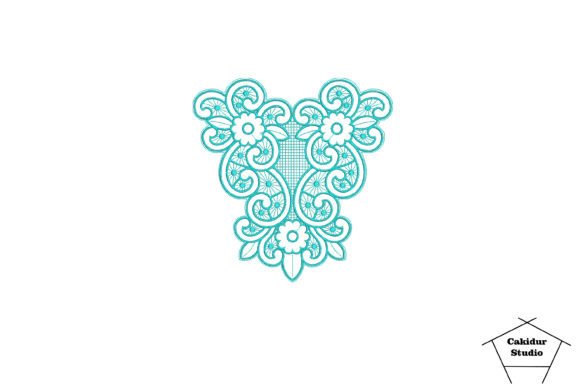
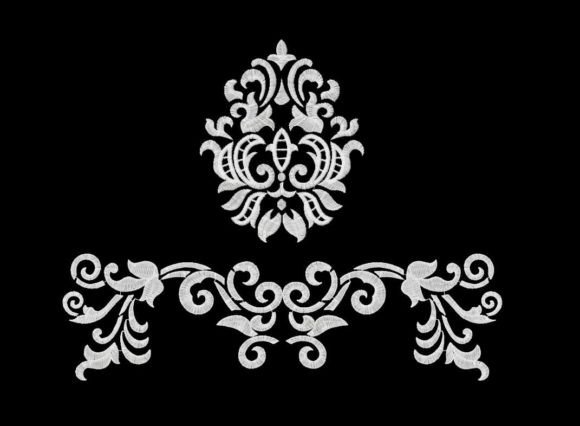
When I unzipped the Damascus Set file pack, the first word that came to mind was timeless. This machine embroidery design collection leans hard into an elegant white work style, specifically the Richelieu technique — think heirloom-quality cutwork with a modern stitch execution. It’s not cute, it’s not rustic. It’s poised, airy, and undeniably premium. For a craft fair booth, that’s a distinct advantage. While neighboring tables peddle loud graphics, the Damascus Set whispers sophistication. If you’re selling to customers who love linen closets, bridal showers, or high-end home decor, this design stops them mid-aisle.
The set gives off a soft, decorative, almost vintage-updated feel. It’s not minimal, but it’s restrained. The Intricate Cuts category couldn’t be more accurate. Fine bridging stitches and openwork areas create a visual lightness that reads beautifully on fabric. From a buyer’s perspective, it signals “something special” at a glance. That’s the kind of product that sells itself on a tea towel draped over a basket.
Where Damascus Set Belongs in Your Booth
After loading the embroidery file onto my machine, I immediately started testing placement. This isn’t a one-trick design. I see it working across a dozen product types that craft fair customers actually pick up. Here’s the breakdown:
- Tea towels and kitchen linens – The white work style practically begs for natural linen or flour sack cotton. A single Damascus Set motif centered on a towel makes a $9 item feel like a $28 boutique find.
- Pillow covers – A large-scale placement on a 16x16 or 18x18 cover, especially on a soft blush or chambray background, turns a simple cushion into a decor statement. The Richelieu cutouts let the pillow color peek through, adding depth.
- Apron embroidery – A vertical panel or pocket accent on a classic half-apron elevates the entire garment. It’s a favorite for bridal shower gifts or hostess presents.
- Tote bags – Here’s where it gets interesting. On a canvas tote, the Damascus Set creates a high-contrast white-on-natural look. But test it on a dark fabric tote: the cutwork areas become dramatic, revealing the bag’s color beneath. It’s a striking, upscale effect.
- Fabric pouches and small gift bags – A scaled-down version on a zipper pouch makes a perfect bridesmaid gift or stocking stuffer. Quick to stitch, high perceived value.
- Market bags – A single motif on a foldable shopper turns a utilitarian item into a reusable statement piece.
- Caps – Use with caution. The curved surface demands careful hooping, but a small accent on the side or back of a cap, especially in a tonal thread, can look surprisingly fresh.
I’d avoid tiny patches under 2 inches with this set. The stitch density and delicate cutwork simply collapse at that scale. The magic is in the open space, and shrinking it turns the design into a confusing blob. Keep it at least 3 inches across for the finest details to read clearly.
Photographing Damascus Set for Online Listings
As an Etsy seller, I’m always thinking about the thumbnail. The Damascus Set photographs incredibly well on textured fabrics. The negative space and raised satin stitches catch the light, creating natural shadows that make the finished product look expensive. I recommend shooting close-ups with a shallow depth of field on a linen tea towel. The cutwork areas become the hero. For a printable mockup, drop the digitized preview onto a flat-lay pillow cover image — it’s one of the easiest ways to list a digital embroidery file and start selling without sewing a single stitch.
For in-booth display, hang a pressed tea towel at eye level against a solid, muted backdrop. The white work pops. Customers reach out to touch the texture; that physical engagement leads to sales. I’ve learned to keep a sample people can handle, and the Damascus Set feels luxurious under fingertips.
Production Realities: What Works and What Slows You Down
This is a production-friendly but not completely beginner-proof design. The Richelieu technique involves cutwork, meaning you’ll need to trim fabric carefully after stitching. That’s a hand-finishing step. For batch production, factor in an extra two to three minutes per piece to snip away the open areas with sharp embroidery scissors. The time is worth it, but don’t plan to stitch twenty towels in an hour. I’d run this as a small-batch, high-value line rather than a mass-market product.
The design files I tested stitched cleanly, with no obvious trims or jump stitches that interrupted the flow. The stitch density felt balanced — not so dense that it puckered lightweight linen, but substantial enough that the satin columns held their shape. I used a medium-weight tear-away stabilizer on linen and a wash-away topper on terry towels. Do not skip the topper on textured fabrics or the stitches will sink into the pile and lose definition.
Careful-Use Notes for Booth-Ready Results
- Small lettering – The set appears to be purely decorative, but if any version includes tiny text, test it on your actual fabric. Thread can bridge small counters easily.
- Thick or textured towels – The cutwork edges can snag on terry loops. Use a fine, sharp blade and a water-soluble topping to keep the stitching crisp.
- Dark fabric – White thread on black or navy creates a stunning contrast, but any stray fibers from the cutwork will show. Keep a lint roller and tiny tweezers at your production table.
- Curved cap surfaces – The design’s geometric, almost symmetrical feel may warp on a strongly curved baseball cap front. Position it on the flat side panel or stick to flat goods.
- Dense stitch areas – Some satin columns may feel thick. Test on a scrap of your chosen fabric first. If the needle struggles, slow your machine speed slightly.
- Hoop size – Always check the actual design dimensions before hooping. The set likely includes multiple sizes; keep the hoop snug to avoid shifting during the cutwork sections.
How Damascus Set Elevates Your Handmade Product Line
From a brand consistency angle, the Damascus Set slots into a modern heirloom aesthetic cleanly. If your small shop already sells wedding-related goods, christening gifts, or upscale home decor, this set adds a new tier without breaking your visual identity. I see it pairing beautifully with monogrammed items, creating a cohesive booth display where the white work acts as a unifier. Customers begin to expect that level of detail from your brand, and that’s how you build a following.
Buyer engagement at the table is high. I noticed people asking, “How did you do that?” — the cutwork invites curiosity. That conversation is a selling opportunity. Explain the Richelieu technique briefly, and you’ve positioned yourself as an expert, not just a vendor. That trust translates into higher average order value. They’ll buy the towel, then the pillow cover, then ask about custom orders.
Practical Embroidery Designer Notes Before You Cut
I never load a new embroidery file straight onto a final product without a checklist. For the Damascus Set, here’s what I run through every time:
- Test on scrap fabric – Match the fabric weight and weave to your final product. A quilting cotton test doesn’t predict how the design behaves on linen.
- Check thread contrast – White work is classic, but try an ecru or pale ivory thread on natural linen. Subtle shifts can warm up the design without losing the white work style integrity.
- Review spacing and cutwork bridges – Make sure the connecting bars are secure. If a bridge is too narrow on your fabric, the cutwork may tear. Reinforce with a tiny dab of fray check if needed, but test first.
- Confirm hoop size – The design must fit your hoop with at least a half-inch clearance. Distortion at the edges of a too-small hoop will ruin the symmetry.
- Inspect stitch density – Run the file and look for any areas where the needle penetrates too many times. On fine fabrics, this can cause holes. Adjust machine speed or use a sharper needle.
- Use the right stabilizer – For cutwork, a sturdy tear-away is my go-to. On sheers, a wash-away stabilizer is non-negotiable. Do not use a cut-away stabilizer on openwork designs; it will show behind the cutouts.
- Create at least one real mockup – A stitched sample is worth ten digital mockups. Display it in your booth and use it for your Etsy listing photos. Authenticity sells.
- Compare fabric colors – Stitch the same design on a light, medium, and dark fabric. The cutwork effect changes dramatically. Pick the swatches that highlight the openwork best.
- Confirm commercial licensing – The product description doesn’t specify terms, so always check with the digitizer before selling finished products made from the Damascus Set. Most reputable designers include a file with licensing info. If not, reach out. Protect your small business.
Booth Strategy: Pairing and Placement
I’d place Damascus Set items at the front center of my table, draped over a vintage wooden crate or a simple iron stand. The white work catches the light and draws people in. Pair it with simple, unbleached cotton goods — let the embroidery be the star. For an upsell, offer a matching set: a tea towel, a pillow cover, and a small pouch all featuring the same motif. Buyers love coordinated bundles, and it increases your per-transaction total.
In my craft fair product testing, I’ve found that designs with a clear, breathable elegance outperform overly busy patterns. The Damascus Set fits that bill. It’s not trend-dependent; it’s a steady seller. That’s crucial for a small shop that can’t afford to chase every fad. If you’re a digital seller offering the file itself, emphasize the Richelieu technique in your listing title and description. Many stitchers search specifically for “white work embroidery design” or “cutwork machine embroidery.” The Damascus Set ranks for both.
Final Verdict from an Embroidery Designer’s Table
As a designer who’s set up more craft fair booths than I can count, I’ll say this: the Damascus Set earns its spot. It’s not the fastest stitch, but the finished look justifies the time. It turns a basic tote bag design or tea towel embroidery into a premium gift. The cutwork details make it memorable, and the white work style keeps it versatile. It photographs beautifully, feels substantial, and invites the kind of close inspection that leads to a sale. Test it thoroughly, respect the fabric grain, and let the openwork do the selling. I’ll be keeping this one in my production rotation for the foreseeable market season.