Adam and Eve: Embroidery Design Review for Small Business
First Impressions: A Rich Narrative Stitched Out
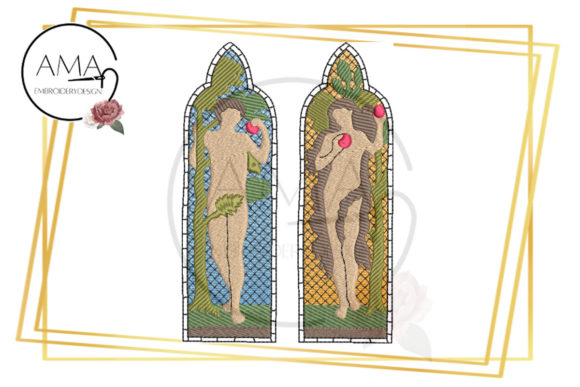
When I first opened the digital embroidery file for Adam and Eve, I wasn’t just looking at figures—I was looking at a story. The adaptation of the Garden of Eden scene, with the two figures holding red apples, immediately sets a tone that is both classical and deeply symbolic. For a small business owner, that’s a powerful starting point. This isn’t a generic floral or geometric motif; it’s a design that carries weight, curiosity, and meaning. The composition feels balanced, with enough outline clarity to suggest it will translate well into thread, provided the stitch density is managed correctly. The red apples pop as a focal point, which is essential for a machine embroidery design that will live on caps, aprons, or tote bags. My first thought was how this could become a signature mark for a brand that values storytelling and heritage.
Where Adam and Eve Fits Into Your Merch Lineup
I evaluate every embroidery file by asking one question: “Where would a customer actually wear or use this?” With Adam and Eve, the answer is surprisingly broad. The design’s vertical or slightly rounded composition makes it a natural candidate for several high-value placements.
Embroidered Patches and Apparel Accents
As an embroidered patch, this design could be a standout. The symbolic imagery works on denim jackets, work shirts, or even sleeve patches. Because the scene includes two figures and a contextual element (the apples), it reads well as a cohesive piece rather than a scattered motif. For small business merch, I could see a café, bookstore, or artisan bakery using this as a left-chest accent on a twill cap or a subtle back-yoke detail on a work shirt. The key is to digitize it with a clean edge and just enough underlay so the patch retains its shape after multiple washes. The narrative quality also makes it a conversation starter, which is exactly what you want from finished product branding.
Aprons, Totes, and Curated Brand Products
Apron embroidery is a quiet but powerful branding tool. Imagine a barista or florist wearing a canvas apron with Adam and Eve positioned near the bib or the pocket corner. It instantly elevates the handmade product feel. Tote bag design is another strong fit. A tote with this design placed centrally or off-center becomes a walking piece of art. For a boutique that sells handmade soaps, candles, or organic goods, the Garden of Eden imagery ties into themes of nature, purity, and origin. The red apples, in particular, can echo a brand’s own color palette, making the custom apparel feel intentional rather than slapped on.
Design Personality: Classic, Rustic, and Conversation-Worthy
The visual personality of Adam and Eve leans classic and rustic, with a hint of decorative elegance. It’s not a modern minimalist mark; it’s a piece that invites closer inspection. That’s a double-edged sword for commercial embroidery. On one hand, it gives the finished product a premium, handcrafted aura. On the other hand, it requires precise digitization so the details don’t become muddy. The stitching style, if rendered with a slight satin-stitch edge and filled areas, will feel substantial and tactile. I’d recommend thread colors that stay true to earth tones—deep greens, warm skin tones, and a vibrant crimson for the apples—to maintain the design’s integrity. This is a design that works best when it’s allowed to have a bit of presence, so I’d avoid shrinking it down too aggressively for tiny labels.
Technical Considerations for Commercial Use
Before you transfer this design to your machine, there are a few critical checkpoints that can make or break the final product. Small business owners often overlook these, but they’re the difference between a professional embroidered patch and a reject.
Stitch Density and Detail in Small Sizes
One of the first things I test is how the design behaves at 2.5 inches or smaller. With Adam and Eve, the intertwined figures and the apples create natural focal points, but the spaces between them, such as the hands and the fruit outlines, can close up if the stitch density is too high. Too many stitches in a small area will cause puckering, especially on lightweight fabrics. I always advise testing the design on a scrap of the actual fabric you’ll use, with the correct stabilizer, before committing to a production run. If you plan to use this as a cap embroidery design, pay extra attention to how the curved surface affects the registration of those fine outlines. The design’s readability at small sizes is what will determine whether it works as a subtle brand mark or only as a larger back piece.
Thread Color Choices and Fabric Contrast
The red apples are the emotional core of the image, so they need to contrast sharply against the figures and the background. On dark uniforms or black aprons, the skin tones and foliage can recede unless you select thread colors with enough brightness. I often run a black-and-white proof first to see if the value structure holds up. If the design looks like a muddled gray blob in monochrome, it’s a sign that the thread colors need adjustment. For Adam and Eve, the design assets should include a color chart recommendation, but if not, take the time to experiment with a few thread palettes. A slightly lighter shade for the figures’ outlines can help them stand out against textured fabric, while a matte rather than glossy thread can keep the religious theme feeling reverent and serious.
Brand Identity Impact: More Than Just a Decoration
When you choose a design like Adam and Eve for your brand, you’re not just picking a pretty picture—you’re adopting a symbol. For a small business, this can reinforce brand identity in subtle but lasting ways. Customers who notice the embroidered patch on a uniform or a tote bag are likely to associate your business with storytelling, tradition, and a certain depth of character. This is especially true for brands in the Religion category or those that want to convey a sense of origin and authenticity. A local bakery using this design on bread bags or aprons can tap into the idea of “from the beginning,” while a handmade soap brand might use it to echo natural, sin-free ingredients. The key is consistency. If you use Adam and Eve on your custom apparel, make sure it appears on packaging, hang tags, or even as a secondary mark on your website. This repetition builds trust and makes your small business merch feel like a cohesive collection, not a random assortment.
However, be mindful of the context. The religious symbolism is immediate and may not suit every customer base. If your brand is playful and irreverent, this design could feel out of step. But if your business leans into heritage, craftsmanship, or nature-inspired narratives, Adam and Eve can become a powerful anchor for your visual identity. It’s the kind of design that makes a finished product feel more valuable, because it carries a story that goes beyond the thread.
Practical Designer Notes Before You Run the Machine
Over the years, I’ve learned that a great embroidery file is only half the equation. The other half is preparation. Here are my non-negotiable steps when working with a design like Adam and Eve, especially for commercial embroidery:
- Test in black and white first. Print the design at the intended size and study the balance. If the figures and the apples blend together, adjust the thread contrast or edit the digital file.
- Check the hoop size. This design likely requires a medium to large hoop. Confirm your machine’s capability before purchasing the embroidery file. If the design comes with multiple sizes, pick the one that matches your most common hoop to avoid unnecessary resizing.
- Review thread color contrast. The red apples must be unmistakable. Use a thread that stands out against the skin tones and the foliage, even on textured fabric like canvas or denim.
- Inspect spacing and registration. Look closely at the digital preview for any tight gaps, especially where hands meet the apples. Those areas can trap stitches or misalign during production.
- Test on real fabric with the correct stabilizer. A design with this much detail needs a sturdy cut-away stabilizer for knits or a tear-away for woven fabrics. Don’t skip this step—it’s the foundation of every clean embroidered patch.
- Create a printable mockup for client approval. Before you stitch a single thread, show the client a digital mockup of the design on their actual product. This saves time and builds trust.
- Compare it beside other design assets. Make sure Adam and Eve doesn’t clash with your existing logo or other embroidery marks. Consistency in style and scale is everything.
- Confirm commercial licensing. Always check the terms of the digital embroidery file. Not all designs are cleared for business use. Verify that you can legally sell items with this design before you invest in production.
These steps aren’t just for this design—they’re for every machine embroidery design you bring into your shop. But with a narrative piece like Adam and Eve, the margin for error is smaller because the design is so recognizable. A misaligned apple or a puckered face will be noticed immediately by your customer.
Final Thoughts on Adam and Eve for Your Business
After testing the concept and imagining it across dozens of use cases, I’m confident that Adam and Eve has a place in a thoughtful small business operator’s toolkit. It’s not a universal, slap-it-on-anything design, but for the right brand, it can become a signature element. Whether you’re creating embroidered patches for a limited drop, custom apparel for a cultural event, or a line of handmade product bags, this design adds a layer of meaning that few stock motifs can match. The key is to respect its detail, test it thoroughly, and match it with a brand identity that can carry the story. When you do, the finished product won’t just be embroidered—it will be remembered.