Tractor Applique Review: A Designer’s Take on Gift Potential
First Impressions: A Playful Design with Storybook Charm
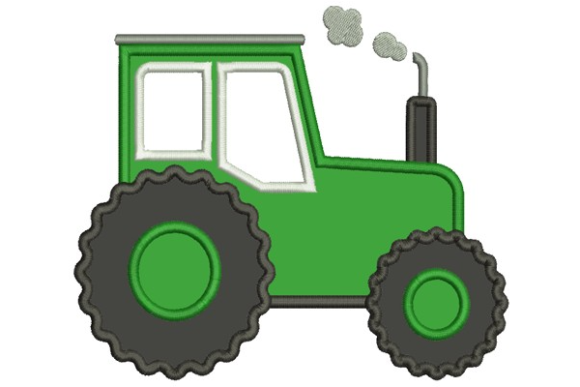
When I unzipped the digital embroidery file for Tractor Applique, I immediately felt a tug of nostalgia. This is not a hyper-realistic farm machine; it’s a soft, storybook-style silhouette that seems lifted from a children’s picture book. The mood is gentle, cheerful, and full of handmade warmth. The rounded wheels, the simplified chassis, and the puff of smoke it often implies make the design feel sweet rather than mechanical. For a personalized gift shop, that emotional softness is gold. You can almost hear a child giggling when you see it stitched on a tiny blanket.
As an embroidery designer, I look for versatility, clean stitch paths, and a design that holds its charm at different sizes. Tractor Applique delivers a friendly, farm-fresh vibe that instantly clicks with baby shower themes, countryside nursery decor, and toddler birthday gifts. It’s a machine embroidery design that whispers “handmade with love” rather than shouting “manufactured.” That distinction matters deeply when you’re selling finished products on Etsy or at a craft fair.
Where Tractor Applique Truly Shines in Gift Creations
After testing this design on scrap cotton and a few ready-to-gift items, I can see at least five product categories where it will become a shop favorite. The design’s toy-like charm and clean applique shape make it a natural for children’s products, but don’t limit it to only baby items. With the right fabric and placement, it can work for a surprising range of personalized gifts.
Baby Blankets and Nursery Keepsakes
A soft minky or cotton flannel blanket with a single Tractor Applique in one corner becomes an instant baby shower hit. The design’s size (check your hoop dimensions before stitching) usually works well on a 30x40 inch blanket without overwhelming the piece. I recommend using a low-loft batting behind the applique to give the tractor a gentle puff, enhancing the tactile experience for tiny fingers. Pair it with a simple name or birth date in a rounded font, and you’ve created a baby embroidery heirloom that parents will treasure.
Nursery Pillow Covers and Wall Art
Stitch the tractor on a linen or cotton canvas pillow cover, then frame it with a simple border. The slightly rustic texture of linen against the smooth applique fabric creates a beautiful contrast. For a complete nursery set, repeat the design on a matching crib sheet corner or a small wall hanging. The playful subject matter ties the room together without looking overly themed. These are the kind of handmade product that sell well in small shop collections because they photograph beautifully.
Personalized Tote Bags and Library Bags
For a slightly older child, a sturdy canvas tote with the Tractor Applique and a name embroidered beneath it becomes a treasured library bag or preschool carry-all. The applique technique adds durability, and the design is compact enough to fit most medium hoops. Use a fusible web and a tight satin stitch edge to ensure the wheels and details withstand tugging and frequent use. This is a custom embroidery item that parents will order again for siblings, giving you a repeat customer base.
Kitchen Towels and Aprons for Little Helpers
Don’t overlook the kitchen! A child’s apron with a bright red tractor applique on the pocket becomes an adorable gift for a budding baker. Flour-sack towels with a single tractor motif in the corner, paired with a farmhouse-style stripe, sell well as hostess gifts or summer market finds. The thread colors you choose—classic red, denim blue, sunny yellow—can shift the design from playful to a more rustic, farmhouse aesthetic. That versatility expands your Etsy seller inventory without needing new digital files.
Clothing and Accessories for Little Ones
Onesies, bibs, and soft jersey leggings are obvious choices, but I urge caution with stretchy fabrics (more on that below). A denim jacket with a small tractor on the back yoke or a pair of twill overalls with the design on the bib pocket can turn a simple outfit into a statement piece. Because the applique uses fabric pieces, the design feels integrated into the garment rather than sitting on top, which raises the perceived quality of the finished product.
When to Stitch with Care: Fabric, Detail, and Durability
No design is flawless, and Tractor Applique has a few scenarios where you need to pause and test before sewing on a customer’s order. The applique nature means small internal cutouts or fine details can become tricky on certain fabrics.
- Stretchy Baby Clothes: Onesies and knit fabrics are notorious for shifting during stitching. Use a heavy cutaway stabilizer and a fusible mesh on top to prevent tunneling. The tractor’s round wheels might distort if the fabric stretches, so always test on a similar scrap before the final piece.
- Thick Towels and Terry Cloth: The design’s small details, such as window shapes or smoke curls, can get lost in fabric loops. Choose a tightly woven towel or, better yet, stitch on a separate patch and applique that onto the towel for a cleaner look.
- Dark or Textured Fabrics: A dark navy or charcoal background might swallow the tractor if your thread colors lack contrast. I found that a light gray or white smoke puff and bright wheel hubs pop best. On textured fabrics like corduroy, the stitch definition suffers, so stick to smooth wovens or knits with a stable surface.
- Frequent Washing and Rough Use: For items that will see the laundry machine often, the applique edges must be perfectly sealed. Check the stitch density of the satin border—if it’s too sparse, threads can fray. A slightly wider satin stitch (adjustable in your software) or a triple stitch outline adds security.
- Small Personalization Letters: If you plan to add a name beneath the tractor, ensure the lettering sits far enough from the applique to avoid running into the design’s borders. Test the combined hoop size first; the tractor plus a name might push the limits of a 4x4 hoop.
How Tractor Applique Boosts Giftability and Perceived Value
In the world of personalized gifts, the emotional hook is everything. A blanket with a generic store-bought print feels forgettable; the same blanket with a stitched tractor applique and a child’s name becomes a keepsake. This design carries a handmade, intimate quality that signals care and thoughtfulness. For a wedding gift with a rustic barn theme, a set of kitchen towels with tiny tractors can be charmingly offbeat, while for a baby gift, it’s pure joy.
From a seller’s perspective, Tractor Applique raises the perceived value of a product in three ways. First, it photographs exceptionally well—the layered fabric creates depth that flat embroidery lacks. Second, customers instantly understand the time and skill involved in applique, so they are willing to pay a premium. Third, the design appeals to the booming farmhouse and woodland nursery trends, giving you a built-in audience on platforms like Etsy. When buyers see a pillow cover with this design, they don’t just see a product; they see a story, a nursery theme, a memory in the making.
Customer trust also grows when you use a design that feels exclusive. The fact that Tractor Applique comes with multiple embroidery file formats means you can share a clean digital mockup with a buyer before stitching, and they know exactly what to expect. This transparency reduces returns and increases buyer engagement—people love seeing a preview of their custom piece.
Practical Embroidery Notes for Shop Owners and Crafters
Before you add this design to your product lineup, run through a pre-production checklist. I learned this the hard way with an early applique order, and now it’s second nature.
- Test on Scrap Fabric First: Always. The fabric you plan to use for the final product, the exact stabilizer, and the thread brand. What looks perfect on cotton can pucker on flannel.
- Confirm Thread Color Contrast: The tractor body might be one fabric, but the details like the steering wheel or exhaust require thread that contrasts well. Lay your thread choices on the actual applique fabric before hooping.
- Verify Hoop Size and Placement: The listing may not specify exact dimensions, so measure the digitized design in your software. Ensure your hoop can accommodate the design plus any lettering. If you’re adding a name, combine them in a single hooping to avoid misalignment.
- Review Stitch Density and Trims: Applique designs often have dense satin stitches. A too-high density on delicate fabric can cause needle breaks or stiff patches. Check the design’s stitch density in your editor and run a stitch-out. If the machine labors, reduce density slightly.
- Use Proper Stabilizer for the Fabric: For woven cotton, a medium cutaway works well. For knits, use a firm cutaway or a no-show mesh. For towels, a water-soluble topper is non-negotiable to keep the stitches from sinking.
- Compare Light and Dark Fabric Mockups: The applique fabric you choose—say, a red gingham for the tractor—might look completely different on a cream background versus a gray one. Photograph both options so you can show customers variations.
- Check Small Details After Stitching: Inspect the wheels, any window lines, and the smoke puff. If a thread didn’t catch or a fabric edge peeks out, a fine-point fabric marker or a tiny dab of fray check can save the piece.
- Confirm Commercial Licensing: The product description mentions multiple file formats, but it’s not clear if commercial use is included. Always check the seller’s license terms before stitching on items you intend to sell. If the listing is silent, message the digitizer. Having a commercial embroidery license in writing protects your shop legally.
Bringing Tractor Applique Into Your Product Line
As a small shop product, this design fits beautifully into a curated collection of farm-inspired or children’s gifts. I’d pair it with a few coordinating designs—a barn, a chicken, a little hay bale—to create a cohesive series. Bundle them in a “Farmyard Friends” gift set, and you’ve got a personalized gift offering that feels intentional and complete.
For Etsy sellers, the listing photos are everything. Show the design on a soft, rumpled blanket, a close-up of the stitch texture, and a mockup that includes a child’s name. Use the printable mockup technique: take a high-quality photo of your stitched sample and overlay it on a digital lifestyle image. This saves time and gives customers a realistic preview.
One more thought: while the product is classified under Toys, it’s the embroidery playfulness that sells it. The tractor isn’t just a shape; it’s a vehicle for memory-making. A child will one day ask about the blanket with the little tractor, and a parent will say, “That was made just for you.” You’re not just stitching thread; you’re stitching stories. That’s the power of a well-chosen digital embroidery file like Tractor Applique.