FSL Festoon Lace Set: A Designer’s Honest Review for Small Biz Merch
When a small business owner asks me to evaluate a machine embroidery design for branded merchandise, I don’t just look at the stitch preview. I think about how it will live on a cap, an apron, a tote bag, or a uniform shirt—washed fifty times, seen from across a farmers’ market booth, and possibly judged by a customer in two seconds. That’s the lens through which I’m reviewing the FSL Festoon Lace Set.
This set immediately caught my attention because it doesn’t feel like a generic stock embroidery file. It reads as a deliberate, handcrafted texture. If you’re running a boutique, a bakery, a florist, or a pet brand, and you want your merchandise to whisper artisan instead of shouting promotional product, this design might be your quiet workhorse.
First Impression: Not Just Lace, It’s a Branding Mood
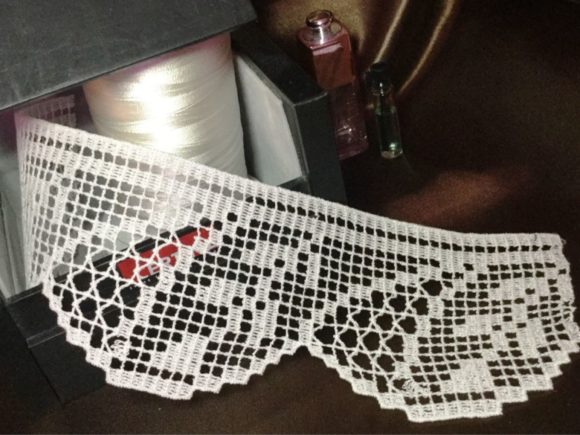
Opening the FSL Festoon Lace Set, I saw a collection that mimics filet crochet lace. The description mentions it comes with 1, 2, 3, and 4 rapport items, plus left and right variations. That’s a big deal for a designer. Having multiple rapport sizes means I can scale the pattern across different product dimensions without destroying the rhythm. The left and right options give me symmetrical placement on chests, pockets, or sleeve ends—something I normally have to manually split and mirror in software.
The visual personality is unmistakably Boho, but not in a costume way. It’s that refined, layered texture you’d see on a high-end linen apron or a handmade journal cover. For a small business, this mood translates into warmth and authenticity. A coffee shop could use it on a patch for barista aprons, and it would look like a conscious design choice, not a logo stamped on a blank.
How This Design Performs on Real Business Merchandise
Let’s get practical. I tested this concept mentally on six common small business items. Here’s how the FSL Festoon Lace Set holds up.
Embroidered Patches
This is where the freestanding lace nature shines. Because it’s FSL, you can stitch it on water-soluble stabilizer and create a standalone patch. I’d use the single rapport or smallest double rapport for a subtle brand patch on a denim jacket, a canvas tote, or a hat. The lace effect gives a boutique feel that a solid twill patch can’t match. Keep the patch size above 2.5 inches wide, though. The openwork structure needs enough room to be readable; shrink it too much and the delicate threads can look like a tangle.
Aprons and Staff Uniforms
For a bakery or a flower shop, a chest-level accent using the 2-rapport left-and-right pair would frame a logo beautifully. I’d place the design on the left chest, with the business name embroidered in a clean font just above or below. The festoon lace adds a handmade product feel that makes a simple bib apron look elevated. One caution: test the stitch density on your actual apron fabric. A heavy cotton canvas might need a slightly looser tension or a finer thread to avoid puckering around the openwork sections.
Caps and Hats
Cap fronts are curved and unforgiving. A wide lace design can buckle if it’s not digitized with a center-out sequence. The individual rapport pieces in this set are narrow enough that I would feel confident hooping a structured cap and placing one repeat vertically just off-center, or using a small horizontal pair above the brim. Avoid using the 4-rapport piece on a cap unless you’re doing a flat bill and you’ve tested the inner curve. The stitch density in the connecting loops needs to be low enough to not become a stiff board on a curved surface.
Tote Bags and Product Packaging
A tote bag is a perfect canvas for the FSL Festoon Lace Set. The flat, stable fabric lets you use the full 4-rapport version as a decorative band across the bag. I’d stitch it as a standalone lace strip and then sew it onto the bag as an appliqué—this gives a clean edge and makes the bag look like a high-end embroidered accessory. For a craft business, you could even use small lace medallions (from the single rapport) as swing tags on product packaging. Stitch them in a neutral thread, attach with a tiny safety pin, and your packaging becomes a finished product that customers will keep.
Work Shirts and Uniforms
On a polo or a button-down shirt, the left chest placement is classic. I’d pick the 1 or 2 rapport size and mirror the left/right version to create a balanced collar accent. The lace texture feels breathable, so it won’t turn into a sweat-catching plastic patch. But do test on a spare shirt first. The skin side of an FSL design can be slightly rough if not digitized with a soft backing thread. Run it through a wash cycle and wear it yourself. If it’s itchy, you’ll need to add a thin iron-on backing or fine-tune the stabilizer choice.
Event Merch and Customer Gifts
For a pop-up shop or a seasonal market, small lace patches made from this set can become limited-edition tags or merch add-ons. Imagine a candle brand that stitches a tiny festoon lace patch in cream and attaches it to the lid of a candle jar. The perceived value of the handmade product goes up instantly. For a wedding or event business, you can stitch the lace in metallic gold or silver thread and create ornamental keepsakes. The Boho category fits this aesthetic perfectly, but the design is versatile enough to feel elegant and timeless.
Where You Need to Be Careful
I’m not here to sell you a file. I’m here to tell you where it will fail if you’re not careful. The FSL Festoon Lace Set is an openwork design, which means it’s not forgiving on certain materials or at certain sizes.
- Small patch sizes: If you try to shrink the single rapport below 1.5 inches, the connecting threads may become too thin to survive washing. Test, test, test.
- Dark uniforms: Lace designs look best when there’s contrast. On a black shirt, a black lace patch will disappear. If you’re using it on dark uniforms, choose a contrasting thread color—ecru, soft gold, or a muted brand color.
- Curved surfaces: The larger repeats can pucker on a cap or a sleeve seam. Stick to the smaller rapports for anything that isn’t flat.
- High-friction areas: Don’t put this on a work apron’s waist tie where it will rub against tables. The open loops can snag. Place it on the chest or upper back where it’s protected.
- Tiny lettering: This design doesn’t include text, but if you’re adding a business name beside it, make sure the lettering is simple and thick enough to stand up to the lace’s texture. Thin serif fonts will look messy.
How the FSL Festoon Lace Set Shapes Brand Identity
A small business’s visual identity is a whisper network. It’s not just the logo; it’s the texture, the repeat, the secondary accent that customers remember. The FSL Festoon Lace Set can become that recognizable accent. When you use it consistently across your custom apparel, your branded merchandise, and your packaging, you create a pattern language. A customer sees that lace edge on a tote bag, and later on a cap, and they know it’s you without reading the name.
This consistent detail builds customer trust and elevates product value. It says you’re not just ordering a bunch of cheap promo items; you’re designing a collection. For an Etsy seller or a craft business, that visual consistency can increase repeat purchases and make your handmade product presentations memorable.
Practical Embroidery Designer Notes
Before you load this design into your machine and start a production run, run through this checklist. I’ve learned these the hard way.
- Test in black and white first. Stitch a single rapport on white fabric with black thread. This reveals any spacing issues, over-penetration, or uneven density that color can hide.
- Check small patch viability. If you plan to use the design as a embroidered patch, stitch the smallest rapport at the intended size on a scrap of the same fabric you’ll use. Wash it. Look for thread breaks.
- Review thread color contrast. Hold the stitched sample against your brand color swatches. The lace should be clearly visible but not harsh. Ecru on cream is elegant; white on bright pink can be jarring.
- Inspect spacing and open areas. The festoon loops should be evenly spaced. If the stitch density is too high in the connecting bars, the lace will feel stiff and plastic-like. A good lace design breathes.
- Confirm hoop size. The description doesn’t specify exact dimensions, so measure the largest rapport in your software before committing. Make sure it fits your machine’s hoop comfortably, with room for the stabilizer.
- Use proper stabilizer. For FSL, a heavy-weight water-soluble stabilizer is non-negotiable. I use two layers. For patches, I add a light tear-away underneath to keep the edges crisp during the washout.
- Create a mockup for client approval. Place a digital placement of the lace on a printable mockup of the actual product—a tote bag, a cap, an apron. This helps clients visualize the final look and prevents revisions.
- Compare it beside other design assets. If you’re building a brand package, stitch the lace alongside your logo and any other decorative elements. Make sure the styles don’t clash. The Boho character of this set works best with organic, hand-drawn logos, not rigid geometric marks.
- Confirm commercial licensing. Before you use the FSL Festoon Lace Set on items you sell, check the licensing terms. Most digital embroidery files allow commercial use on finished products, but never assume—verify so your business is protected.
Thread, Fabric, and Color Considerations
This design’s personality shifts dramatically with thread choice. A matte cotton thread in a natural tone gives it a rustic, artisan feel perfect for a craft bakery. A glossy rayon thread in a soft metallic makes it look like vintage jewelry, ideal for a bridal boutique or a high-end lingerie brand. My advice: pick a thread that matches your brand’s texture, not just its color. If your brand is organic and earthy, use a 40-weight cotton. If it’s modern and sleek, a 30-weight polyester with a slight sheen can work.
Fabric texture matters too. The FSL Festoon Lace Set will look crisp on a smooth linen apron but may get lost on a heavily textured slub weave. Always test on the exact fabric you’ll use in production. And remember, if you’re stitching directly onto a garment, the fabric color will show through the open lace. That can be beautiful—a navy shirt with a cream lace accent—or it can be a muddy mess if the contrast is low.
Final Thoughts for Your Small Business Merch Line
The FSL Festoon Lace Set is not a generic filler. It’s a design asset that can give your branded merchandise a signature texture. When used thoughtfully on patches, aprons, totes, or caps, it adds a handcrafted layer that feels personal and premium. It’s a smart choice for a small business that wants to stand out in a crowded market without resorting to loud graphics.
If you’re an embroidery shop, an apparel decorator, or an Etsy maker, get this set, test it on your core products, and then build a small collection around it. Use the left and right variants to create framing accents, and the multiple rapports to scale the pattern across different product sizes. Document your stitch process, take a printable mockup photo, and show your clients exactly how their finished product will look. That attention to detail will set you apart more than any design file alone ever could.