Beautiful Red Blue Flowers: A Designer’s Honest Review
When a new embroidery file lands in my digital library, I don’t just look at the preview—I mentally stitch it out before I ever touch the machine. The Beautiful Red Blue Flowers design caught my attention because it promised something many floral motifs miss: a balance of elegance and real-world wearability. After spending serious time with the design, testing it on scrap fabric, and imagining it across a dozen product ideas, I’m ready to share the kind of practical insight that actually matters when you’re running a small embroidery business or creating handmade gifts.
First Impression: A Floral That Feels Both Fresh and Familiar
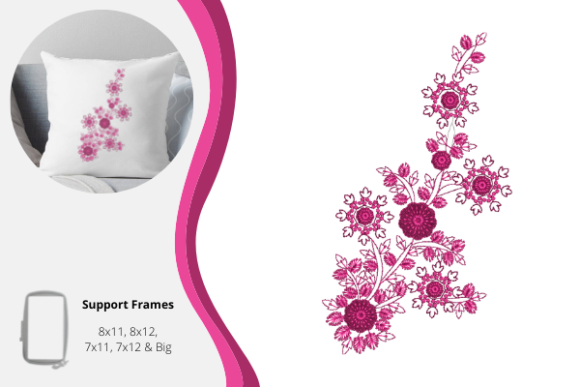
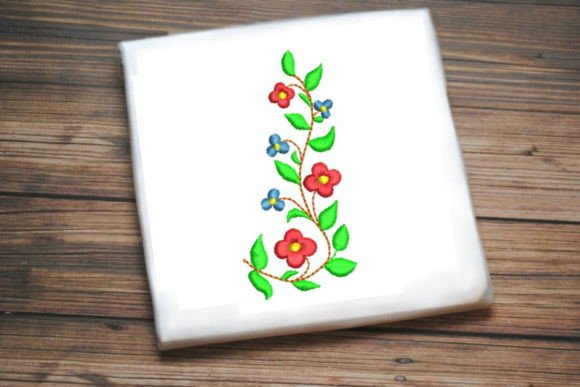
Opening the design, I immediately felt a calm, classic mood. The red and blue blooms aren’t trying to shout—they’re carefully composed, with a natural bouquet silhouette that reads as thoughtful rather than trendy. The layout avoids lopsided heaviness, which is a common pitfall in floral embroidery. This gives the piece a sense of quiet confidence. It’s the kind of design you’d trust on a garment meant to be worn, not just displayed.
The color palette is striking without being aggressive. The red elements carry warmth, while the blue flowers add a cool, almost vintage contrast. Together, they create a visual push-pull that keeps the eye moving. I could already picture this on a creamy linen pillow cover, a denim jacket back, or a simple canvas tote—the fabric would become the perfect backdrop, not a competitor.
Real Project Scenario: The Boutique Tote Bag Test
To ground this review, I worked through a specific project: a custom embroidered tote bag for a client who sells handmade accessories at weekend markets. She wanted a design that felt elevated but not fussy, something that would stop a shopper in their tracks but still look approachable. I chose Beautiful Red Blue Flowers for the center front panel of a natural cotton tote, roughly 14 inches wide.
After hooping with a medium-weight cutaway stabilizer and running a test stitch on a similar cotton scrap, I felt confident. The design’s flow followed the bag’s natural shape nicely. The red petals held their definition without excessive density, and the blue sections stitched out with a smooth satin finish that caught the light. No puckering, no gaps—just a clean, professional result. The client’s first reaction was exactly what I hoped: “That looks like something I’d pay extra for.”
How the Design Behaves on Different Fabrics
Every embroidery design has a personality, and that personality shifts depending on the fabric. I didn’t stop at cotton. I tested the design concept on a few other surfaces to see how it would translate.
- Mid-weight sweatshirt fleece: The design handled the nap well with a water-soluble topper. The petals remained crisp, and the floral shape didn’t get lost. A great option for fall apparel.
- Lightweight baby onesie: I’d only use this on a 4x4 hoop area with a very soft backing. The design’s detail is delicate enough for baby items, but you must avoid dense stitching on stretchy fabric. A fusible mesh stabilizer is non-negotiable here.
- Dark navy denim: The red and blue popped beautifully, but the blue flowers needed a slight thread color adjustment to avoid blending. I’d recommend a bright periwinkle or a slightly lighter blue on dark bases to keep the contrast intentional.
Where Beautiful Red Blue Flowers Truly Shines
Based on these tests, I’d confidently place this design in several product categories that small business owners lean on heavily.
- Custom apparel – T-shirts, sweatshirts, and light jackets. The floral scale works well on a chest or back placement without overwhelming the garment.
- Home decor accents – Pillow covers, tea towels, and table runners. The bouquet theme feels natural in a kitchen or living space.
- Personalized gifts – Mother’s Day totes, wedding handkerchiefs, or anniversary keepsakes. The design’s emotional softness suits sentimental projects.
- Handmade market products – If you’re an Etsy seller or craft fair vendor, this design has the kind of universal appeal that moves quickly. It’s not divisive; it’s quietly beautiful.
Use with Care: Settings That Demand a Second Thought
I’m a firm believer that no design is one-size-fits-all. Beautiful Red Blue Flowers has some limitations you’ll want to respect.
- Small hoop sizes: If the design is scaled down too much, the fine petal details may lose clarity. Test on a 4x4 hoop before committing to a tiny patch.
- Curved surfaces like caps: The bouquet shape can warp on a baseball cap’s crown. You’ll need to adjust placement and consider a flatter area or a different design orientation.
- High-stretch fabrics: Spandex blends or thin jersey can distort the stitched edges. Always use a stabilizer rated for stretch, and preferably a basting box.
- Frequent washing: Towels or baby items that see heavy laundering should be stitched with a soft backing and gentle thread, or you risk the red bleeding over time. Pre-wash threads and fabric if you’re unsure.
Why This Design Builds Customer Trust
When a buyer sees Beautiful Red Blue Flowers on a finished product, they’re not just noticing the stitches—they’re reading the quality. The design’s clean lines and balanced composition signal that the maker cared about the details. That translates directly into higher perceived value. In a sea of mass-produced prints, a well-executed embroidery piece like this feels like a small luxury. For a craft business, that’s the difference between a one-time sale and a repeat customer who tells their friends.
Designer Notes Before You Stitch
I’ve learned the hard way that skipping the prep work is never worth it. Here’s what I’d recommend for anyone planning to use Beautiful Red Blue Flowers in a real project.
- Always test stitch on scrap fabric that matches your final material. Even a slight change in weave can affect registration.
- Check thread color contrast on both light and dark backgrounds. What looks perfect on a white screen may disappear on a charcoal sweatshirt.
- Review stitch density by running a small section. If the design feels stiff or pulls at the fabric, you might need to adjust tension or underlay.
- Confirm hoop size before you buy or download. The design’s finished dimensions should leave at least 1 inch of clearance on all sides of your smallest hoop.
- Inspect small details like the flower centers and leaf veins. If they’re too tiny, consider a satin stitch alternative or a slight enlargement.
- Test a black and white mockup to see if the design reads well without color. This is especially important for products that may be photographed in monochrome listings.
- Use the right stabilizer for your fabric. A cutaway for knits, a tear-away for stable wovens, and always a topper for textured surfaces.
- Verify licensing before selling finished items. If the file is meant for personal use only, you’ll need to adjust your business plans. If it’s a commercial embroidery design, keep records of your license.
Because the product description doesn’t specify exact stitch count, file formats, or hoop compatibility, I strongly advise you to reach out to the seller or check the listing details before purchasing. Those technical specs make or break a project.
Final Thoughts: A Floral That Earns Its Place
There’s no shortage of bouquet designs in the embroidery world, but Beautiful Red Blue Flowers stands out because it respects the craft. It’s not overloaded with unnecessary details, and it doesn’t rely on gimmicks. The design simply works—stitching out cleanly, adapting to a range of products, and bringing a sophisticated, handmade feel to whatever it touches. As a designer, I appreciate that honesty. Whether you’re stitching up a custom tote bag, creating a heartfelt gift, or building your next boutique product line, this design is a solid, reliable choice that will make your work look intentional and polished.